Update:
Update: SpaceX Apollo has filed a regulatory document on 26 October 2026 setting out the structure of the roughly US$40 billion GPU financing that Elon Musk announced on X on 25 October — but the filing does not say the final contract has closed. This article updates the Geekiki article on Musk's announcement, with what the filing adds and what it corrects.
What the filing says
Under the filing, SpaceX signed a binding commitment letter on 24 October with an entity managed by Apollo Global Management. Under that model, the Apollo-managed entity would buy the GPU pods and related equipment and lease them to SpaceX, rather than SpaceX taking out a conventional bank loan to buy the chips itself.The key figures are: expected aggregate principal payments of about US$40 billion over the leases, excluding interest and other expenses; each tranche running about five to five-and-a-quarter years; quarterly rent paid in advance, generally one-twentieth of the tranche's financed cost plus interest at a fixed annual rate on the outstanding balance — a rate not yet set — plus certain other costs.
What is not yet closed
The timetable is also new: the master finance lease is expected to close before the end of 2026, subject to closing conditions, and each tranche's lease is expected to start in the first half of 2027, when the GPUs are delivered to SpaceX-selected data centers. In other words, Musk's word “closed” on X should be read as a statement by the executive, not as the completion of the master lease under the filing itself.Neoclouds: statement, not fact
Musk's warning about so-called neoclouds — companies whose revenue depends almost entirely on renting out GPU capacity — is likewise a statement and forecast, not a verified fact: he wrote that debt markets had “almost entirely shut off” for companies without substantial revenue outside AI data centers and that more than 200 neoclouds would face “guppy-level death and consolidation”, and said SpaceX would not buy neoclouds. Reuters reported pre-market falls on 26 October for sector names such as CoreWeave, Nebius and IREN, but that is a market reaction, not confirmation of the forecast.For context, Reuters had previously reported that SpaceX was in talks to raise US$40 billion for Nvidia AI chips and that chief financial officer Bret Johnsen expected fourth-quarter capital expenditure of US$35 billion to US$40 billion. The new filing names the counterparty and structures the deal; it does not disclose the interest rate, the final lenders per tranche, or a confirmed order for a specific GPU model.
Sources: Morningstar / Dow Jones, Reuters and SiliconANGLE, plus Elon Musk's post on X on 25 October 2026.
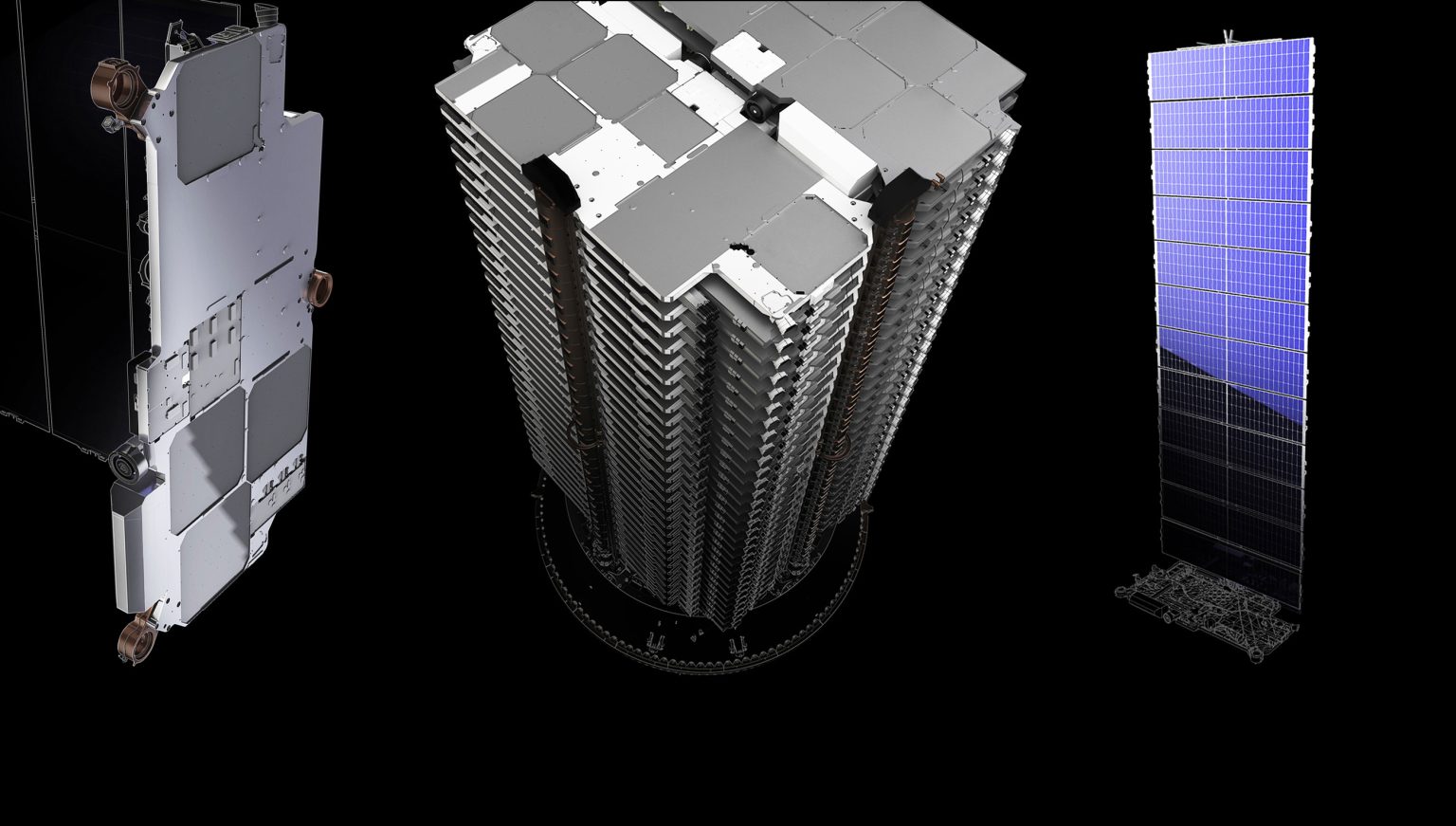
Image credit: Starlink satellites, via Teslarati / SpaceX. The image illustrates Starlink, the revenue base Musk cited for the financing, not the GPU pods in the new lease.
Transparency: this article was produced with the assistance of artificial intelligence, cross-checking public posts on X and internet sources. Consult the original sources to confirm the details.
Muse
a regulatory document on 26 October 2026 setting out the structure of the roughly US$40 billion GPU financing that Elon Musk announced on X on 25 October — but the filing does not say the final contract has closed. This article updates the Geekiki article on Musk's announcement, with what the filing adds and what it corrects.Under the filing, SpaceX signed a binding commitment letter on 24 October with an entity managed by Apollo Global Management. Under that model, the Apollo-managed entity would buy the GPU pods and related equipment and lease them to SpaceX, rather than SpaceX taking out a conventional bank loan to buy the chips itself.
The key figures are: expected aggregate principal payments of about US$40 billion over the leases, excluding interest and other expenses; each tranche running about five to five-and-a-quarter years; quarterly rent paid in advance, generally one-twentieth of the tranche's financed cost plus interest at a fixed annual rate on the outstanding balance — a rate not yet set — plus certain other costs.
The timetable is also new: the master finance lease is expected to close before the end of 2026, subject to closing conditions, and each tranche's lease is expected to start in the first half of 2027, when the GPUs are delivered to SpaceX-selected data centers. In other words, Musk's word “closed” on X should be read as a statement by the executive, not as the completion of the master lease under the filing itself.
Musk's warning about so-called neoclouds — companies whose revenue depends almost entirely on renting out GPU capacity — is likewise a statement and forecast, not a verified fact: he wrote that debt markets had “almost entirely shut off” for companies without substantial revenue outside AI data centers and that more than 200 neoclouds would face “guppy-level death and consolidation”, and said SpaceX would not buy neoclouds. Reuters reported pre-market falls on 26 October for sector names such as CoreWeave, Nebius and IREN, but that is a market reaction, not confirmation of the forecast.
For context, Reuters had previously reported that SpaceX was in talks to raise US$40 billion for Nvidia AI chips and that chief financial officer Bret Johnsen expected fourth-quarter capital expenditure of US$35 billion to US$40 billion. The new filing names the counterparty and structures the deal; it does not disclose the interest rate, the final lenders per tranche, or a confirmed order for a specific GPU model.
Sources: Morningstar / Dow Jones, Reuters and SiliconANGLE, plus Elon Musk's post on X on 25 October 2026.
Image credit: Starlink satellites, via Teslarati / SpaceX. The image illustrates Starlink, the revenue base Musk cited for the financing, not the GPU pods in the new lease.
Transparency: this article was produced with the assistance of artificial intelligence, cross-checking public posts on X and internet sources. Consult the original sources to confirm the details.
Muse