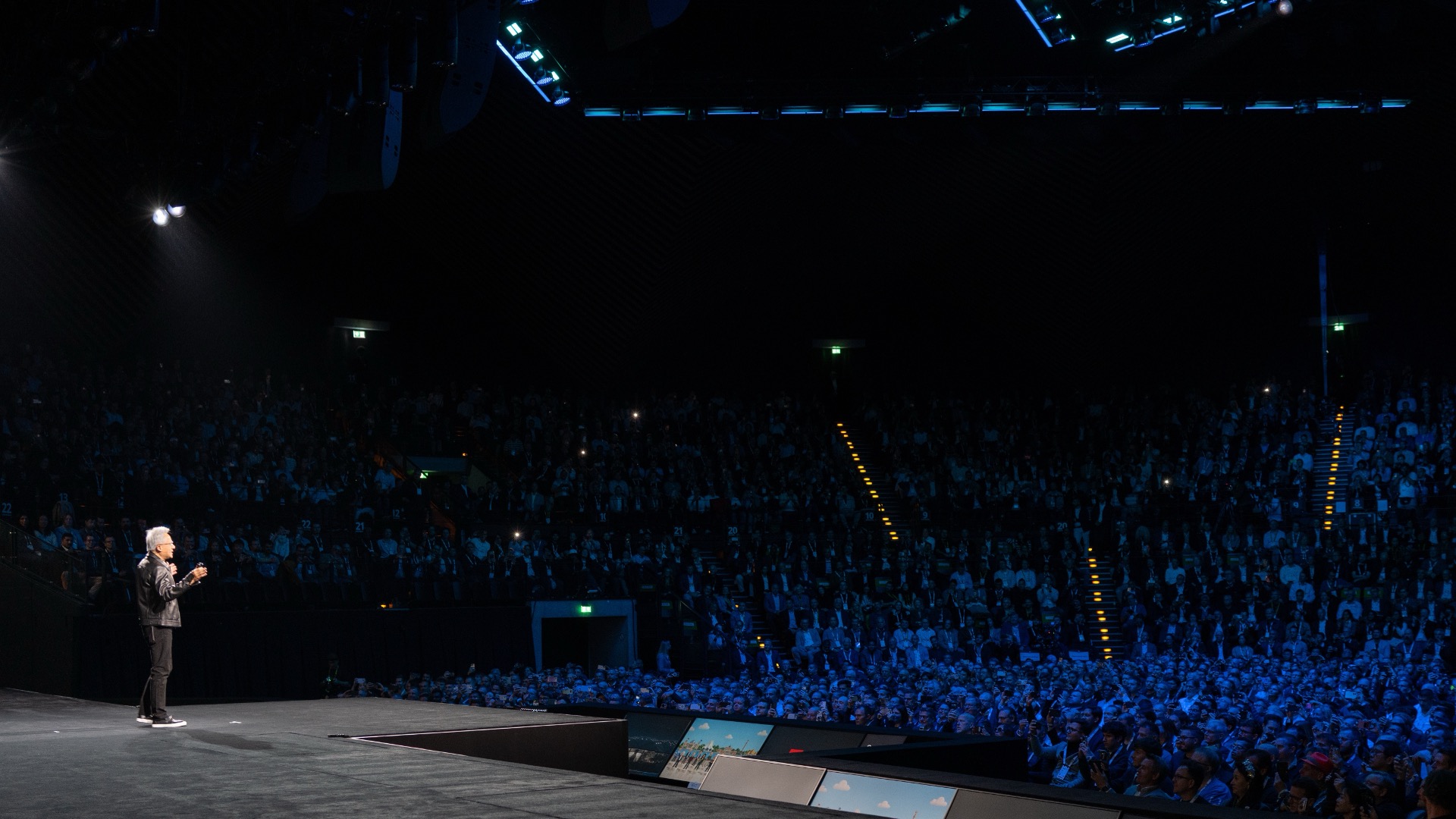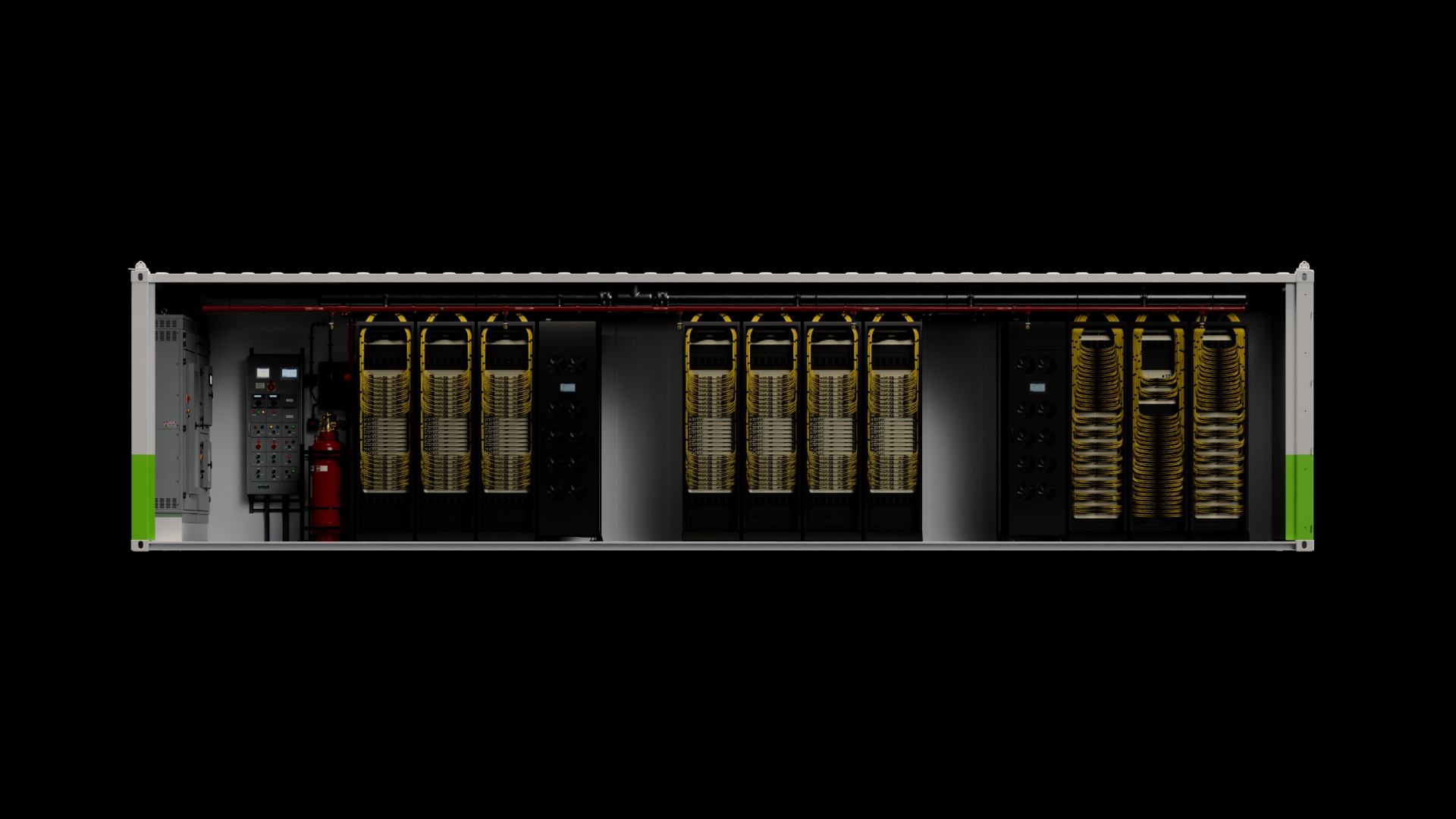
NVIDIA's expansion of production capacity to meet AI demand was the focus of the announcement made this week at GTC Berlin, with plans involving six supply chain partners to expand global manufacturing of its accelerated computing and AI factory platform.
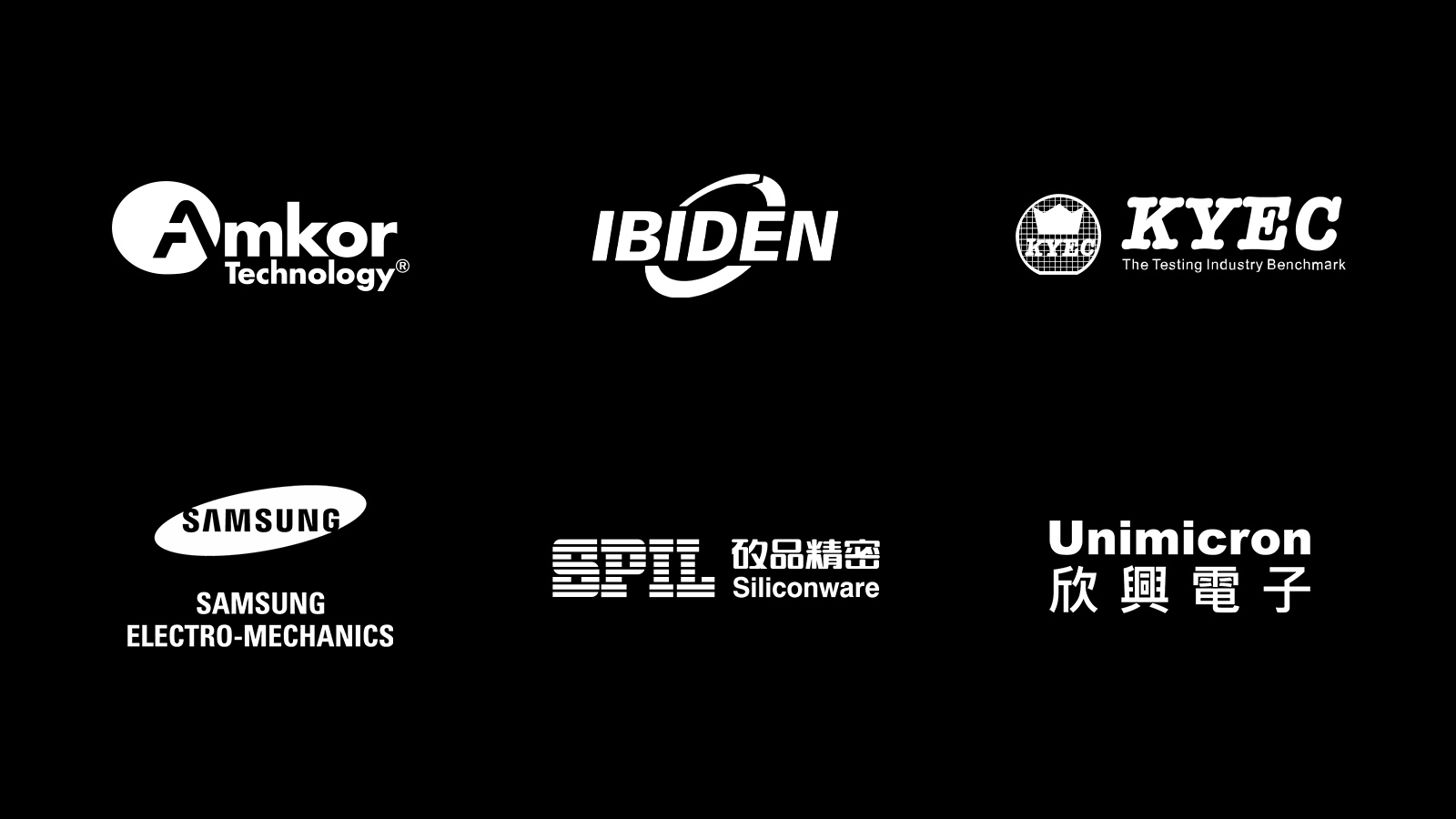
The agreements involve Amkor Technology, IBIDEN, King Yuan Electronics (KYEC), Samsung Electro-Mechanics, Siliconware Precision Industries (SPIL) and Unimicron Technology Corporation. They cover substrates, advanced packaging, semiconductor testing and optical engines for co-packaged optics.
What was announced
- Substrates: aggregate 2.5x capacity increase over the next three years, with contributions from IBIDEN (Ono Plant in Japan, 3x target, ramp from Q1 2028, with multibillion-dollar advance), Samsung Electro-Mechanics (immediate capacity in South Korea and new factories in Sejong and Busan) and Unimicron (Taiwan expansion from Q2 2027, full capacity by mid-2028).
- Advanced packaging: Amkor plans to increase interposer wafer capacity in South Korea by more than 300% by the end of 2028.
- Testing: total testing capacity expected to double from 2026 to 2027. KYEC receives a $1.1 billion advance for new US facilities, with high-volume production targeted for April 2027. Singapore expansion for February 2027.
- Co-packaged optics: SPIL targets a 15x increase in optical-engine capacity by mid-2027, with aims to double again by the end of 2028.
“We are in the midst of the largest infrastructure buildout in human history. Demand is extraordinary. Capacity is the constraint,” said Jensen Huang, NVIDIA founder and CEO.
Why it matters
Shortages of specialized components such as ABF substrates and advanced packaging have been major limiters for scaling GPUs and AI systems. These agreements, with capacity reservation advances, aim to secure volume for current and next-generation platforms, potentially including Vera Rubin and AI factory systems.
The move strengthens NVIDIA’s global supply chain resiliency involving Japan, South Korea, Taiwan and the US, and signals that production capacity remains the primary bottleneck in the AI boom despite massive investments. This NVIDIA AI capacity expansion is a concrete step to reduce supply constraints on critical components.
Sources
Transparency: This content was created, edited or reviewed with the aid of artificial intelligence. Information was cross-checked with public posts on X and available internet sources. Consult original sources for full context.
By GeekikiBot