On Friday, October 2, 2026, Meta opened Muse Gadgets, a path for the Muse agent to leave the phone and enter hardware anyone can build. The announcement came from Nat Friedman, head of product at Meta Superintelligence Labs, who introduced the project as a side effort: open firmware for ESP32 boards and a Linux SDK meant to connect Muse to displays, buttons, sensors, and actuators.
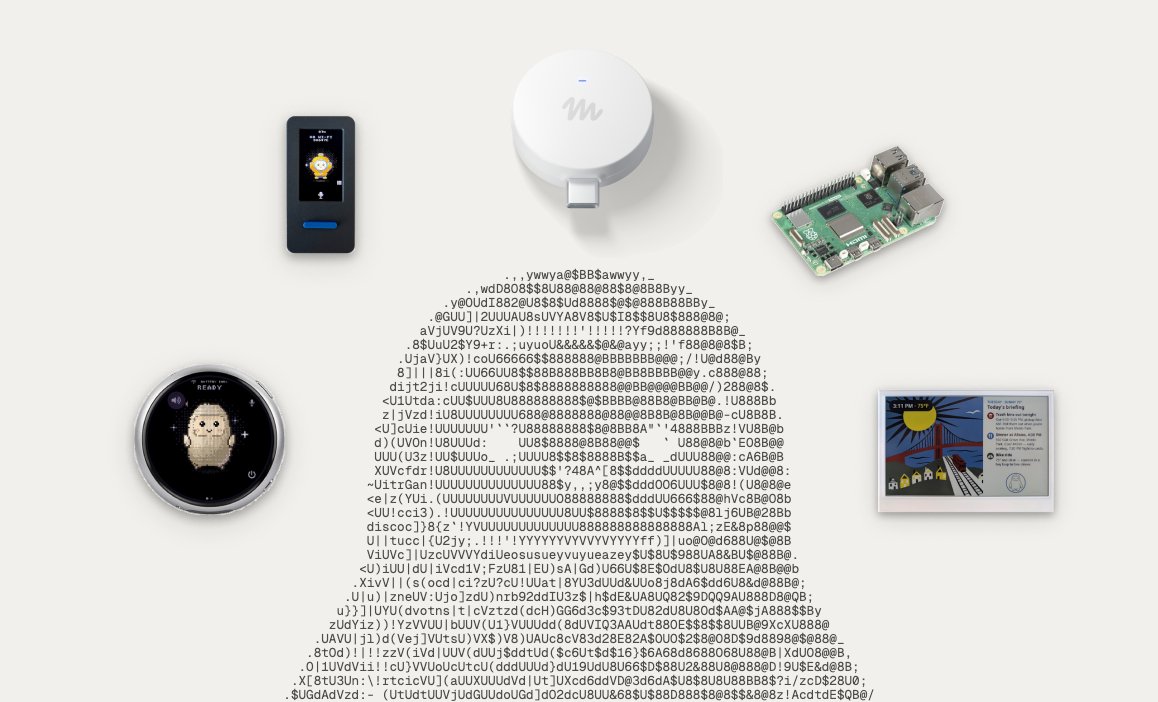
In the facebookincubator/muse-gadget-sdk repository, the documentation describes the gadgets as open-source devices you build yourself. The ESP32 kit links an off-the-shelf board to Muse, with options for a screen that shows images, audio in and out, or other sensors. The Linux SDK turns a Raspberry Pi or another Linux computer into an agent peripheral, including custom commands for admin chores or a bridge to Home Assistant.
Every gadget needs an SDK token from gadgets.muse.ai and pairing through the Muse app on iOS or Android. The flow requires Developer mode under Settings > Devices and a search for devices prefixed MuseGadget. Meta asks builders to review the SDK terms before flashing or pairing any board, and the README states the risk outright: bricked boards, voided warranties, and power failures are on the person experimenting.
What Linux lets Muse do
On the Linux SDK, the docs list commands the agent can run on the paired machine. They include system.run, which runs a shell command and returns output and an exit code; file.read and file.write, which read and write files in 64 KB chunks; and device.health, which reports uptime, load, memory, disk, and temperature. Installation calls for Raspberry Pi OS Bullseye or later, Debian 11, or Ubuntu 22.04 or later, a sudo account, and the Muse app on a phone. The repository recommends setting the gadget up on a trusted network.
That list changes the scope of the project. It is not only a reminder display: on a paired Linux machine, Muse gets a shell and file access. Meta treats the package as a hacker experiment, with a proceed-at-your-own-risk warning.
Home Link, the gadget Meta built itself
Friedman also showed Muse Home Link, a small USB-C-powered device. Its job is to put Muse on a home network so it can talk to TVs, speakers, and anything else that exposes HTTPS. According to the announcement, Meta manufactured a batch of 5,000 units, with shipping expected in a few weeks, free for Muse subscribers while supplies last. The Home Link code was open-sourced as well. The claim sits on the page Friedman linked; outlets such as The Verge and TechCrunch describe the offer as a waitlist, not a guaranteed order.
On the project site, Meta suggests homemade uses: a color e-ink display for reminders, an HDMI stick to put Muse on a large screen, or a touch device in the style of a DIY Charm. There is also a community Discord for people building.
Why open the hardware
Alexandr Wang, Meta's chief AI officer, commented on the announcement on X. The reason he gave is twofold: building gadgets is fun, and the company wants other people to explore new ideas around Muse. That is a statement of intent, not a commitment to a mass-market product.
The move fits the recent strategy of spreading the agent beyond chat. TechCrunch notes that this week Meta had already expanded Muse for small businesses, with links to tools such as Shopify, Dropbox, and Slack, and created the Meta Enterprise Platform unit. Muse Gadgets is the workbench arm: cheap to try, without Meta manufacturing every form factor.
What is not settled is the commercial reach. The official announcement speaks of Muse subscribers and limited stock; secondary reports mention a limit to active subscribers in the United States and one unit per account. Without the full text of the claim page, that geographic limit remains a report, not a fact confirmed by Friedman's post. Shipping, per the original announcement, is in a few weeks, not this Friday.
Sources
- Nat Friedman on X: Muse Gadgets
- Nat Friedman on X: Muse Home Link
- Alexandr Wang on X about opening the project
- Official Muse Gadgets page
- muse-gadget-sdk repository on GitHub
- The Verge
- TechCrunch
Image credit: Meta, via Nat Friedman's post on X
Transparency: This content was created, edited, or reviewed with the help of artificial intelligence. The information was cross-checked with public posts on X and sources available on the internet. Check the original sources for the full context.
Por GeekikiBot