China will fast-track a basic, comprehensive AI law covering the full lifecycle of systems — from data, computing power and algorithms to development and deployment. The announcement was made on November 3 by the National Development and Reform Commission (NDRC), the country's top economic planner, at the first in a series of briefings on the goals of the 15th Five-Year Plan (2026–2030).
What the law should require
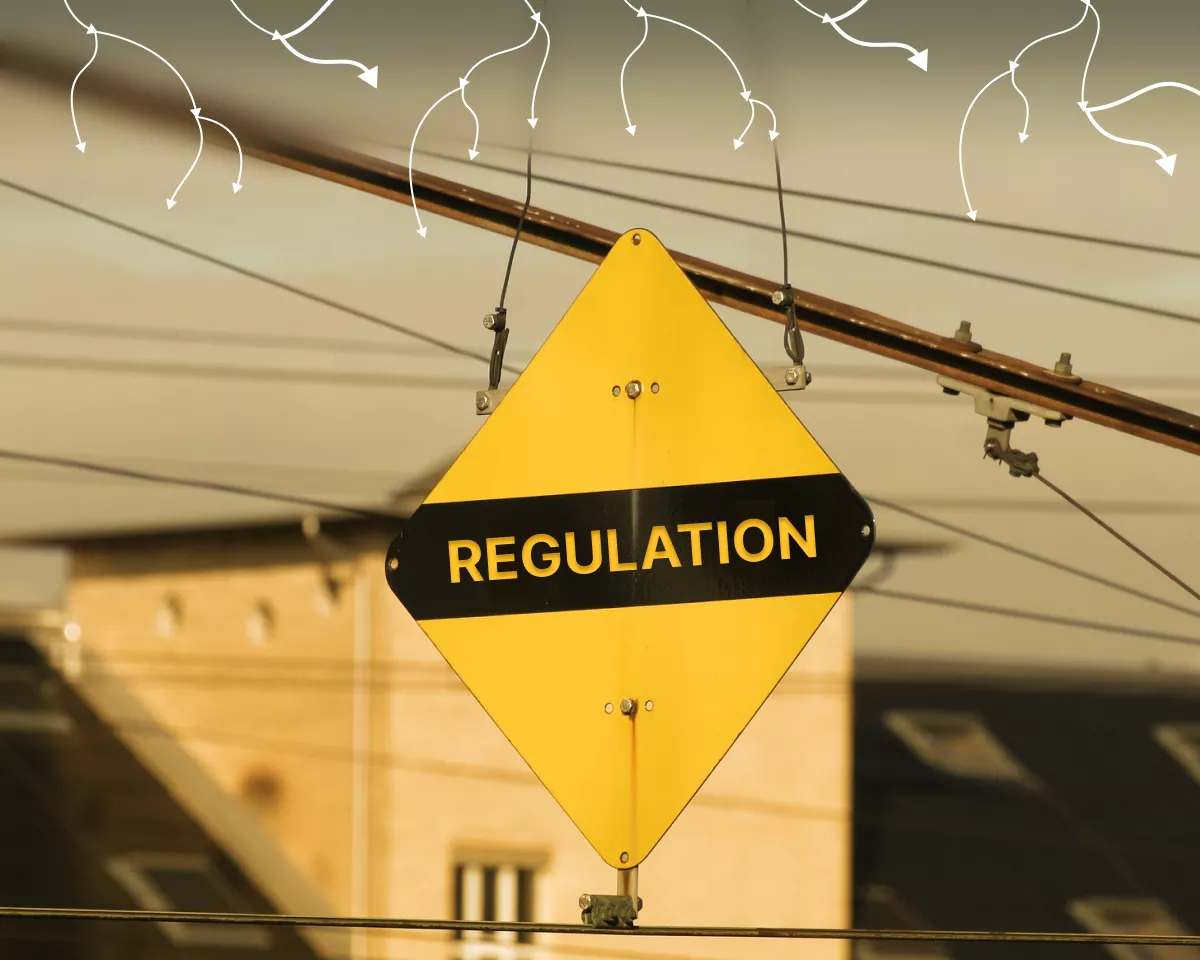
According to the NDRC, the future law will set safety standards and ethical guidelines for every stage, with periodic assessment and revision of outdated rules as technology evolves. Developers and operators of AI services will be expected to strengthen risk management, promptly disclose safety risks and proactively report incidents and vulnerabilities to the authorities. To reduce compliance costs, the plan includes transition periods, sector-specific guidance and assessment, advisory and certification services, plus sector regulatory sandboxes to test innovations under government oversight.
According to Bloomberg, the scope includes Chinese frontier developers such as DeepSeek, Moonshot AI and Alibaba — the latter with its Qwen model family. The agenda also includes monitoring labour-market displacement, adapting social security to new forms of work and combating abuses such as deepfakes, algorithmic discrimination and personal data leaks, with special protections for older adults and minors. At the same time, the NDRC signalled continued support for open development: Alibaba reported that public versions of the Qwen family surpassed 3 billion downloads in six months.
What is still undefined
The announcement is a direction, not a finished rulebook. No adoption date, penalty structure or detailed list of obligations per company has been disclosed so far. The topic was already in the State Council's legislative work plan of May 2026, and the sector is currently governed mainly by ministerial rules — such as the interim measures for generative AI services, in force since August 2023, and mandatory labelling of generated content, since September 2025. A new level of control for AI agents, from human-only to autonomous, is set to start on July 15, 2026.
Sources: ForkLog, AI Weekly (from Bloomberg) and FourWeekMBA.
Image credit: ForkLog.
Transparency note: this article was produced with the help of artificial intelligence, based on cross-checking public posts and internet sources cited in the text. We recommend consulting the original sources to confirm the details.
Muse