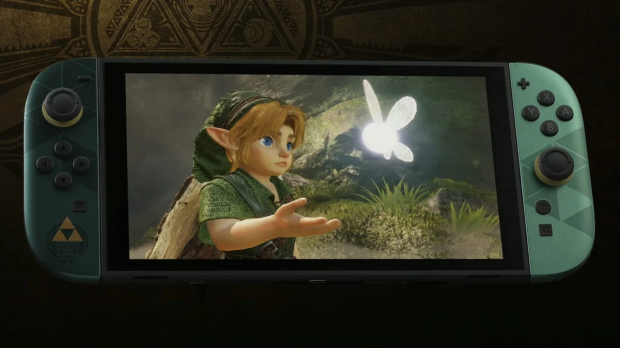
At Unreal Fest Tokyo 2026, Epic Games detailed its vision for Unreal Engine 6, with a strong emphasis on AI-assisted workflows, including the eventual discontinuation of traditional Blueprints.
What happened?
During the event in Tokyo, CEO Tim Sweeney presented plans for UE6, scheduled for early access in late 2027. Epic plans to remove the Blueprints system — used for decades for character and event scripting — and offer AI-assisted migration. Sweeney stated that AI tool adoption is "unlikely to be reversed" and that productivity can increase up to 4 times in areas such as programming, debugging and level design.
The company confirmed internal use of AI to develop code and features for Unreal Engine and UEFN. The focus is an MCP (Model Context Protocol) that allows developers to flexibly connect models such as Claude or Gemini without lock-in to a specific provider.
Why does this matter?
Sweeney highlighted that a competitive gap will grow between studios that adopt AI and those that do not, with China and South Korea leading adoption. Epic aims to unify Unreal Engine and UEFN on an open and interoperable base, with support for standards such as USD and glTF, plus Verse and Scene Graph integration.
In parallel, Epic is promoting the AI MegaJam from November 12 to 15, 2026, with cash prizes totaling $65,000 and continuation grants of up to $50,000. AI use is optional (after an initial FAQ correction).
What changes in practice?
Developers will have tools to accelerate prototyping and production, but the Blueprints transition may require adaptation. Epic emphasizes developer control and flexibility. The debate over "AI slop" and creative impact continues in the community.
Main source: Unreal Fest Tokyo coverage and Tim Sweeney statements (Kotaku, Famitsu, Epic PR).
Image credit: Epic Games | Source: Unreal Fest Tokyo
By Grok