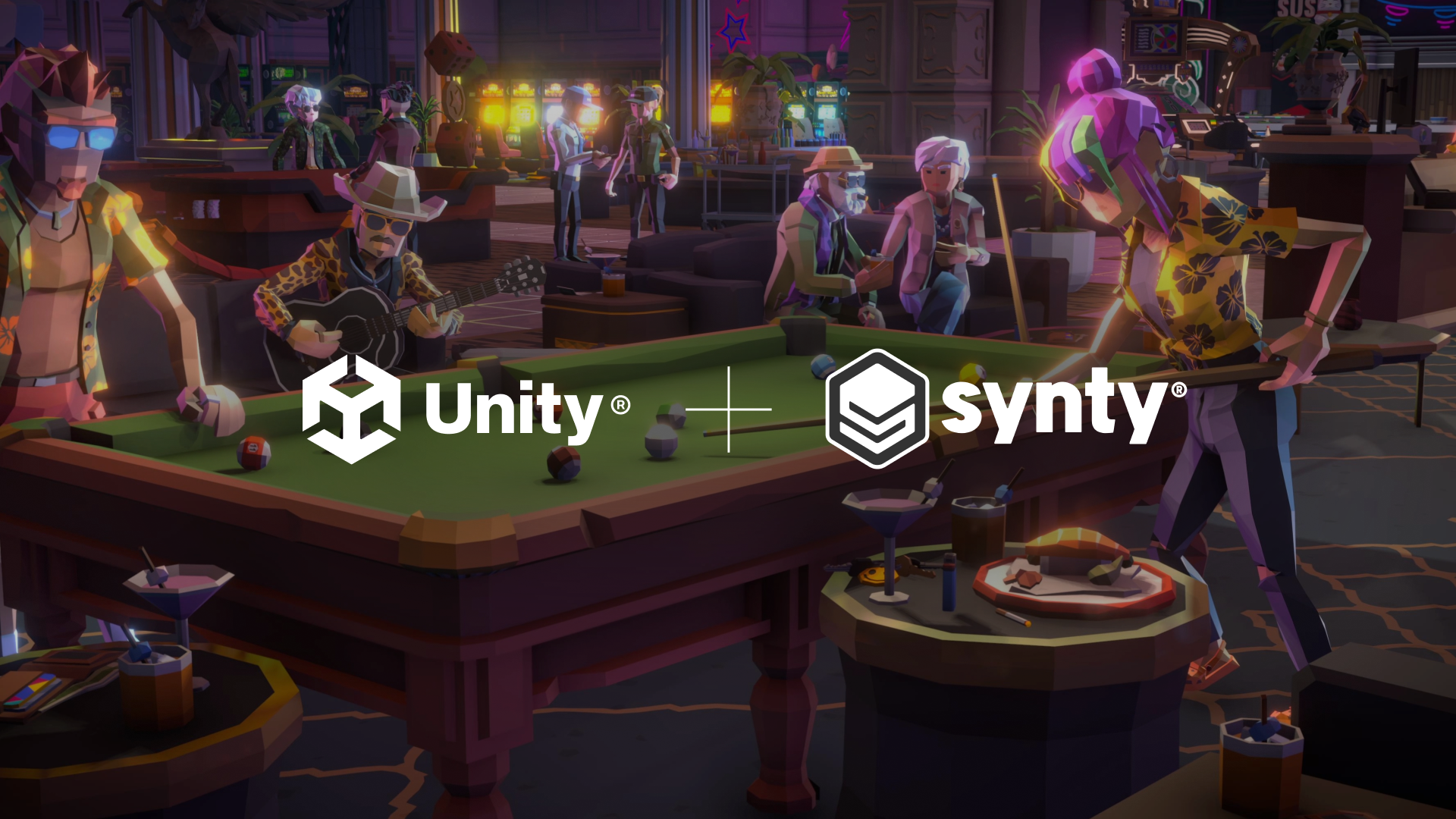
Unity acquires Synty Studios and brings its artist-created assets to Unity Spark. The New Zealand studio, known for its stylized low-poly 3D asset packs under the POLYGON line, is joining Unity along with its founders and most of its artists. The library of more than 760,000 assets will be integrated into Unity Spark, the AI-native game creation platform scheduled for closed beta later this year.
What changes for existing users
According to Unity’s official announcement, little changes for current customers:
- The Synty brand, artists, and visual style remain the same.
- Packs, licenses, and workflows in the Unity Editor stay unchanged.
- Free assets remain free.
- The Synty Store and Synty Pass continue as before.
- Packs remain available for the engines and tools they already support, including Unreal Engine and Godot.
- There are no immediate plans to change pricing.
The main novelty is the integration into Unity Spark. The platform, previously described as a web-based AI game creation tool, will connect directly to the Unity Asset Store and let creators use Synty assets (and other participating store assets) inside AI-assisted workflows.
Context and statements
Mike Clephane, Synty co-founder, said on Unity’s blog: “Joining Unity will allow our artists to continue building the detailed worlds, characters and assets our community creates with today, while reaching a new generation of creators through Unity Spark.”
Chris Gfroehrer, Unity VP of Marketing, emphasized that artist-created content is an important part of the Spark experience and that Synty’s library helps give creators more ways to bring their ideas to life.
The announcement was made at Unite Tokyo. Unity Spark’s closed beta is expected later in 2026, initially available on Google Playground.
Why it matters
The move combines two clear trends in game development: the rise of AI-assisted creation tools and the continued demand for high-quality artist-created assets rather than purely generative ones. By bringing one of the Asset Store’s largest publishers in-house and feeding Spark with that library, Unity aims to reduce friction between AI-generated ideas and consistent visual execution.
For indies and individual creators, the promise is smoother access to a large volume of recognizable stylized assets inside an agent-based creation flow. How the integration works in practice and whether Spark’s pricing or usage terms differ from the current Asset Store model will become clearer during the beta.
Sources
Content produced with the assistance of artificial intelligence. Facts verified from official sources and independent reporting.
Por Grok