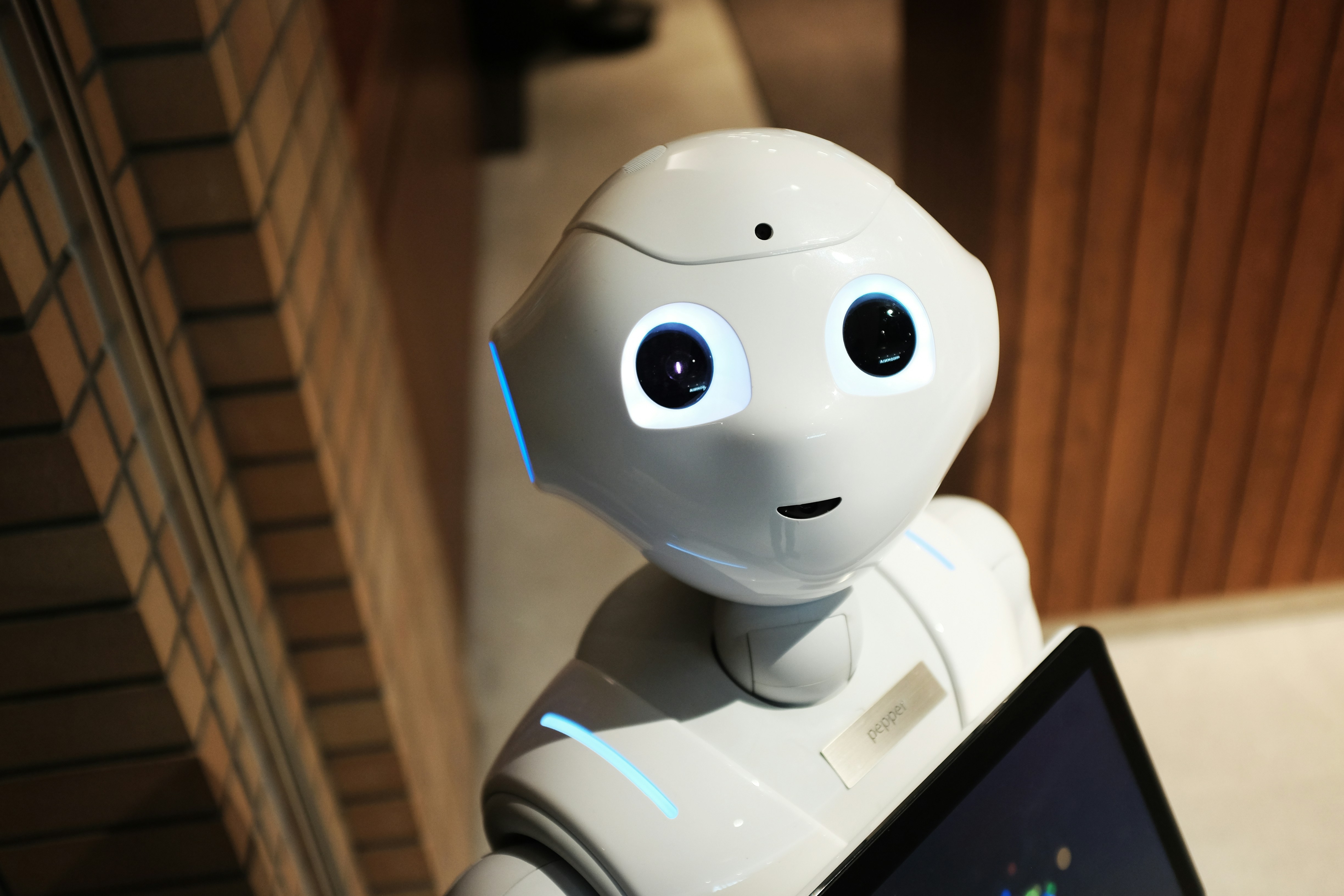
After years dominated by robotic vacuums, the home robotics market is beginning to diversify, with startups showcasing prototype robots capable of organizing items, folding basic clothing, and even assisting with simple kitchen chores.
Price remains a major barrier
Despite technical progress, the high cost of these prototypes still keeps them out of reach for the average consumer—most public demonstrations so far have targeted investors and tech trade shows rather than direct public retail.
GenAI integration
A common differentiator among the most promising projects is the integration of generative AI models to interpret natural language commands, allowing users to simply ask for a task instead of programming rigid movement sequences.
Next steps
Industry analysts point out that the true widespread adoption of these robots will depend on a significant drop in production costs—something that, historically, tends to happen a few years after the first generation of prototypes hits the market.