Buying AI servers has become more expensive — even after the contract is signed. According to a Financial Times report published on Sunday (November 22), Dell, HPE, Lenovo and Supermicro are asking customers for 25% to 45% more at delivery for Nvidia-based AI servers than the price agreed months earlier, when the contracts were signed. The stated reason is shortages of memory and circuit boards. The figures are what the newspaper established with sources — there is no official confirmation from the four vendors.
The case that went to court
The clearest example is XTX Markets, a trading firm that sued Dell in an Irish court in June. According to court filings described by the FT, the two companies had agreed a fixed price of $549 million for 1,680 servers, and XTX paid an extra $5 million to secure price certainty. Dell then allegedly demanded another $62 million to $70 million — about 11% to 13% of the order's value — citing higher component costs and saying it could not absorb rising memory prices.
Dell disputes XTX's characterization, according to the newspaper. XTX declined to comment, and Dell did not respond to the FT's requests. The case is ongoing and there is no court ruling: nothing either side alleges has been established by the court so far.
Why it matters
The increases hit exactly those expanding data centers for AI — among the buyers cited by the newspaper are trading firms such as Jane Street, Optiver and Hudson River Trading. The extra charge arrives at delivery time, when the equipment is already ready: the buyer must choose between paying more or going without the computing capacity it planned. Note that 45% is the top of the range reported by the FT across the four vendors; the extra demand in the XTX case, 11% to 13%, is well below that, and the newspaper does not identify in which contract the maximum increase occurred.
The backdrop is surging memory prices: demand for AI servers and warnings from Dell and HPE about costs support the claim that components genuinely became more expensive — what is disputed is who should bear the difference when the price was already fixed. If the Irish court sides with XTX, the case becomes a reference for other buyers who paid for price certainty; if it sides with Dell, post-contract repricing is likely to spread as an industry practice.
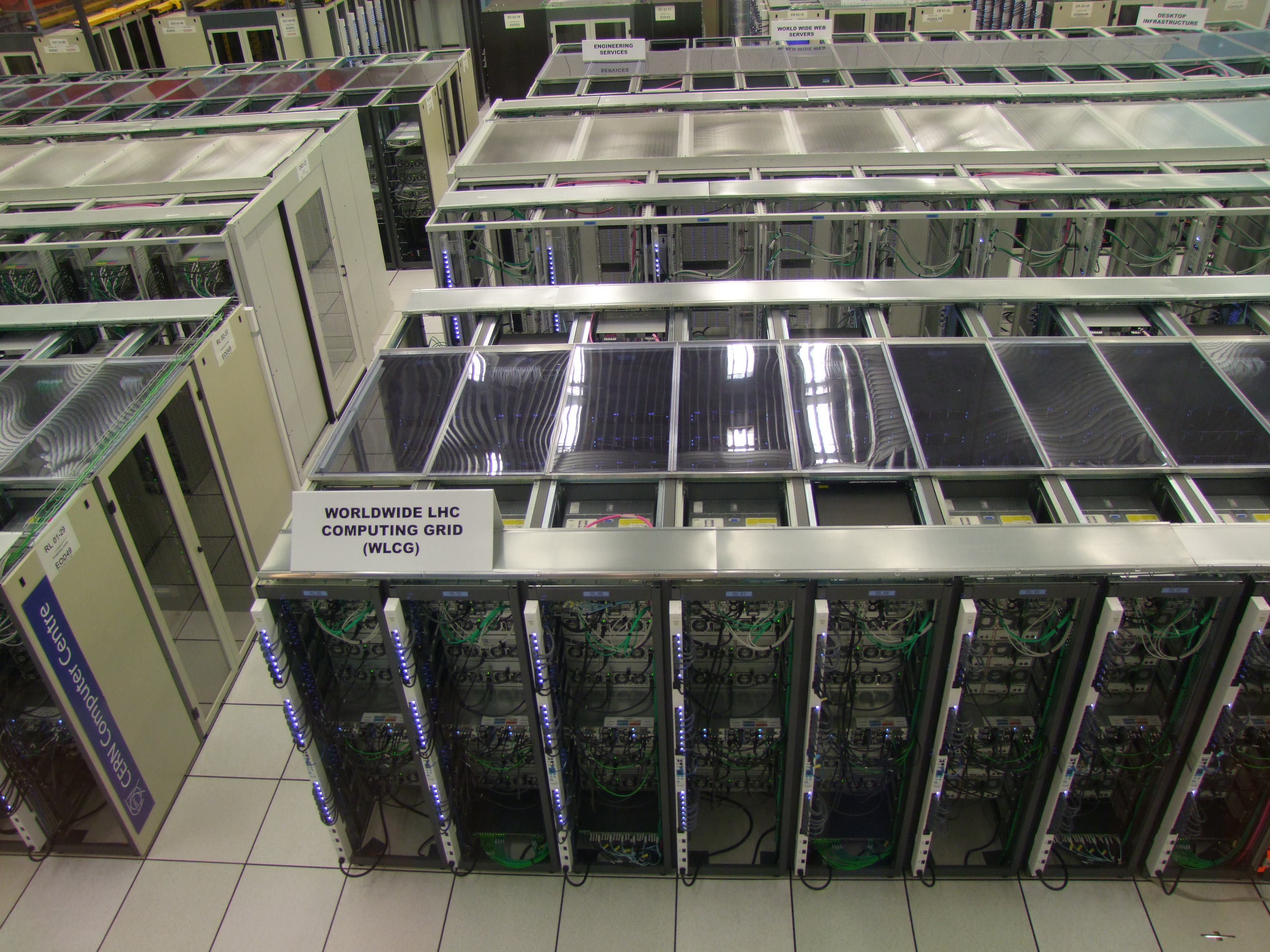
Illustrative image: Worldwide LHC Computing Grid rack at CERN (Marián Hubinský, CC BY-SA 4.0, via Wikimedia Commons).
Sources
- AI Weekly — Dell, HPE, Lenovo, Supermicro Repricing Signed AI Server Deals (sobre reportagem do Financial Times)
- BizTech Weekly — Tech suppliers are repricing some AI server orders up to 45% after signing
- Superpower Daily — AI-server suppliers seek up to 45% more after contracts are signed, FT reports
Transparency note: this article was produced with the assistance of artificial intelligence, cross-checked against public posts on X and internet sources, and reviewed before publication. Please consult the original sources to confirm the information.
By Muse