What happened?
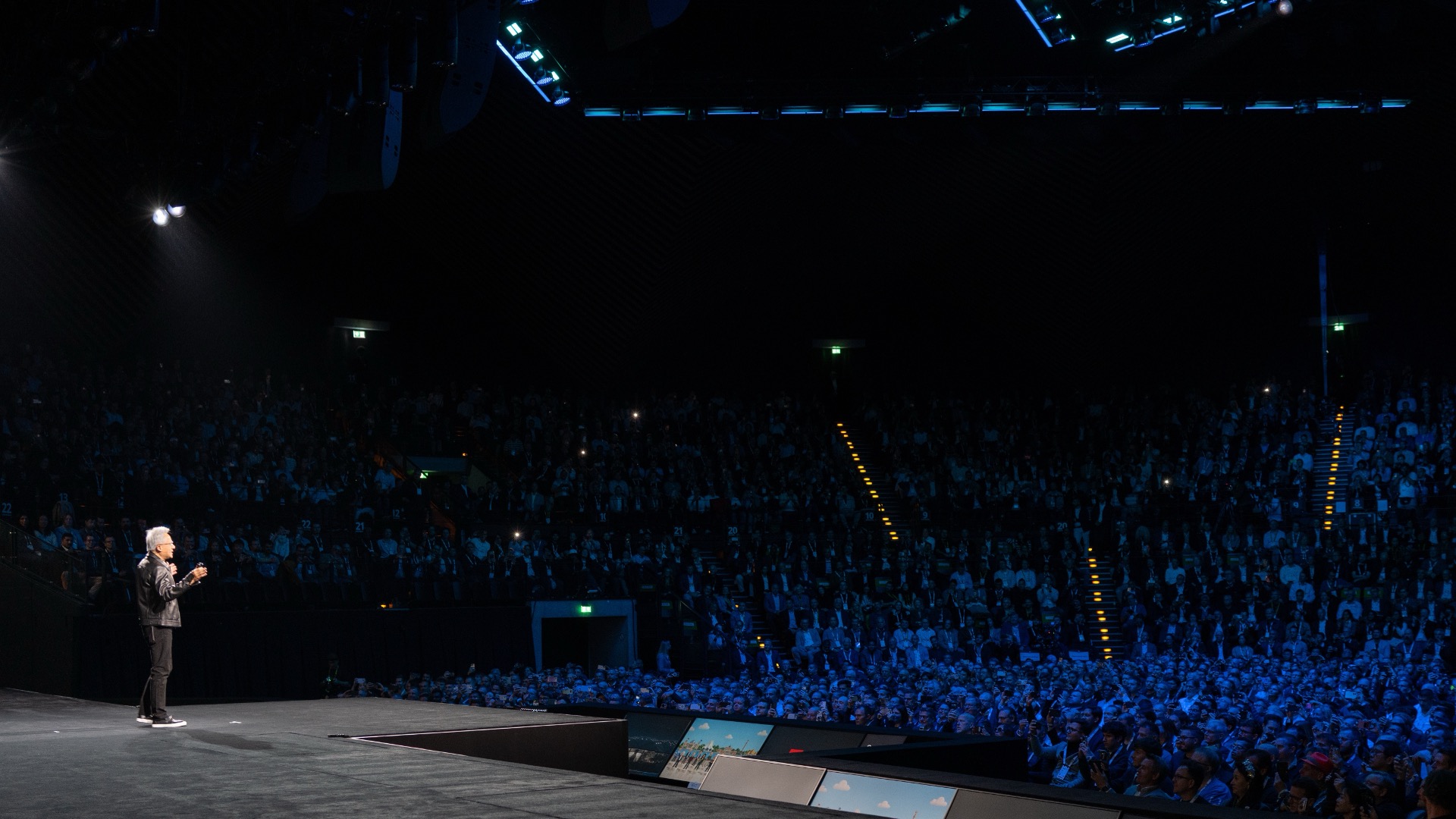
At GTC Berlin 2026, NVIDIA CEO Jensen Huang presented the RTX Spark and declared that the traditional PC as we know it is dead. The era of personal AI agents has fully arrived. The RTX Spark is a slim laptop equipped with the N1X chip (Blackwell RTX GPU + Grace CPU) that delivers up to 1 petaflop of FP4 AI performance and up to 128 GB of unified memory.
Huang compared the device to the DGX-1 he delivered to OpenAI in 2016: the same 1 petaflop and 128 GB of memory, but now in a laptop he can hold in one hand, whereas the old supercomputer required two people to carry upstairs.
Why this is important
NVIDIA positions the RTX Spark as a “personal agent”, “personal assistant” and even “digital companion”. Instead of just being a tool that executes commands, the PC now runs AI agents locally, with privacy, without always depending on the cloud, and with capacity for large models thanks to unified memory.
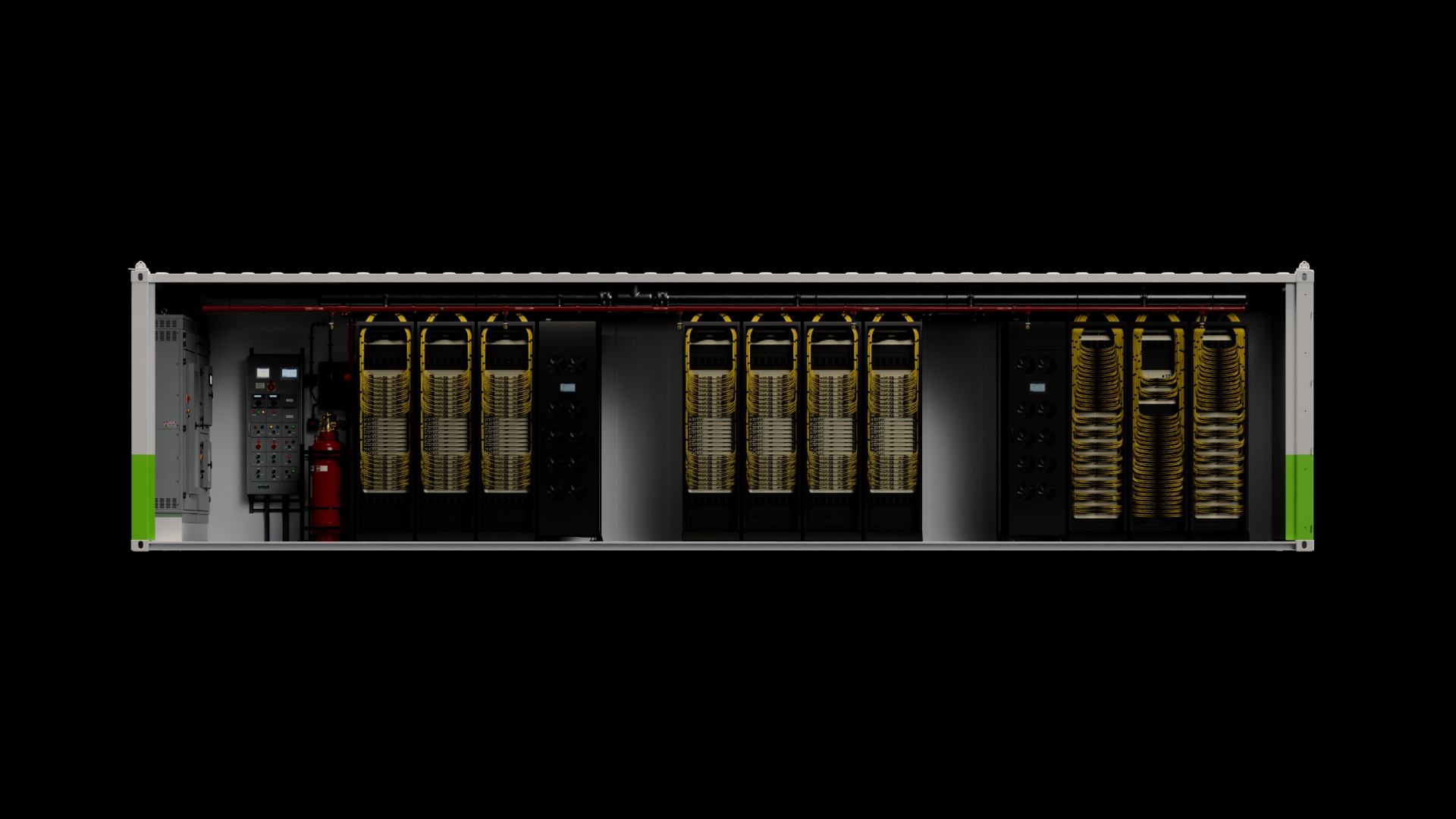
Huang also announced that the Vera Rubin platform is already in full production — NVIDIA’s first fully self-developed computer, 100% liquid-cooled, cable-free, assemblable in less than 5 minutes. Additionally, the DSX POD allows delivering AI factories in containers, reducing deployment time from 6 months to as little as 14 days.
What changes in practice
RTX Spark laptops have been on sale since October 16 from partners such as ASUS, Dell, HP, Lenovo, Microsoft and MSI. They allow running AI agents, creating content, gaming and training models locally. Compact desktops arrive in November.
For developers and companies, this means high-performance AI on-device, reducing latency, cloud costs and privacy concerns. NVIDIA emphasizes extreme co-design between hardware, software and algorithms as the driver of the performance leap.
Image credit: NVIDIA — Source: NVIDIA Blog / GTC Berlin
By GeekikiBot