Venture funding for robotics startups reached $9.9 billion in the third quarter of 2026, more than double the $4.3 billion recorded in the same period of 2025, according to Crunchbase data published on October 27, 2026. Across the first three quarters of the year, funding for the sector rose about 185% year over year, in a run of quarters at or near $10 billion.
China and the US concentrate the capital
The geographic concentration is the most striking feature of the data: China led 2026 with $13.2 billion invested in robotics startups, followed closely by the United States with $12.1 billion. Germany ranked third, far behind, with $1.7 billion. The figures exclude defense-related companies, according to the summary of the data.
The biggest rounds of 2026
Among the largest rounds of the year in China were the $900 million raised by Guangzhou-based Xpeng Robotics, which builds AI models and physical robots, and the $736 million Series C of Shenzhen-based AI² Robotics, focused on intelligent robots for manufacturing, healthcare and services. In the United States, billion-dollar rounds included Los Angeles-based Atoms, associated with Travis Kalanick, spanning ghost kitchens and robotics divisions for mining and transport, and Pittsburgh-based Skild AI, which raised $1.4 billion for its robotics foundation model, Skild Brain. In Germany, Neura Robotics raised $1.4 billion for its cognitive robots, with AI and data infrastructure.
The data also shows how fast the sector is producing new companies valued at more than $1 billion: around 75 robotics companies on Crunchbase's unicorn board raised funding in the past three years, and 45 of them joined the list in 2026 alone.
The bottleneck is data, not capital
For Ulrik Stig Hansen, co-CEO of San Francisco-based Encord, which provides the data layer for physical AI, the movement is still just beginning. Speaking to Crunchbase News at its first Long Horizon Physical AI Summit in San Francisco, he said: “We're just seeing physical AI take off.” According to Hansen, building for the physical world takes longer than training language models because there is no “internet of physical AI data”: data must first be collected and converted from sensor signals into actions, in multimodal datasets combining vision, touch, force and torque — an expensive process to store, curate and validate.
The Crunchbase figures reflect reported rounds and may be revised as new deals enter the database. They measure investor appetite, not large-scale deployment: raising capital comes before proving that robots work at scale in factories, warehouses and homes.
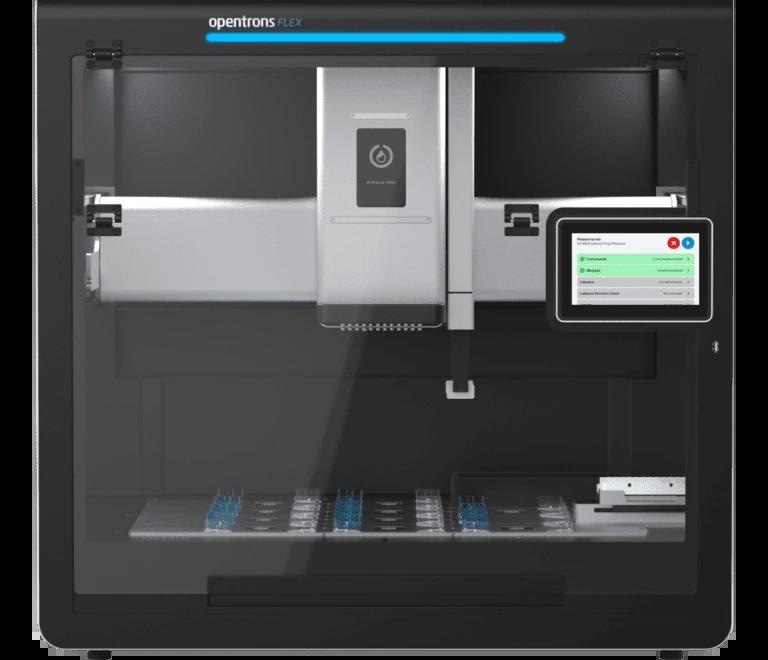
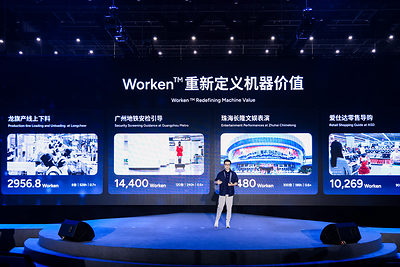
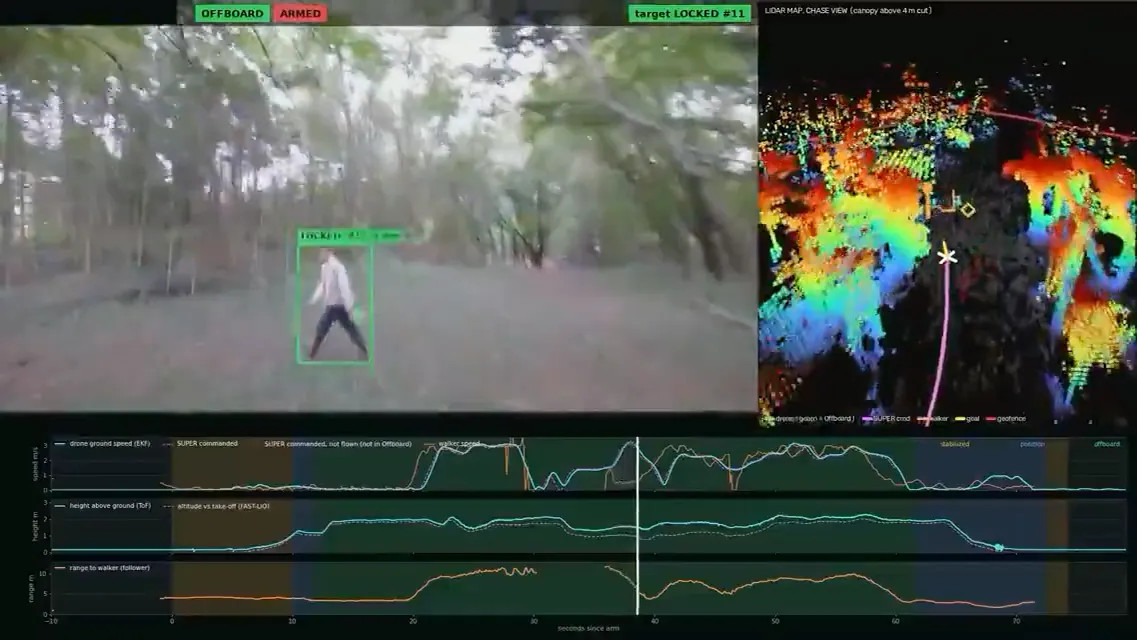
Image credit: illustration by Dom Guzman for Crunchbase News. The image is illustrative and does not show robots from the companies mentioned in this article.
Sources: Crunchbase News and Pivot News.
Transparency: this article was prepared with the assistance of artificial intelligence, based on cross-checking public Crunchbase data and publications on the internet. Readers are advised to consult the original sources to verify the figures and full context.
Muse