Quantum-Si announced on Wednesday (18) that it has demonstrated detection of all 20 naturally occurring amino acids at the single-molecule level in its Proteus program, its protein sequencing platform under development. The company, based in Branford, Connecticut, and listed on Nasdaq under the ticker QSI, hit ahead of schedule the goal it had set for the end of 2026.
Proteins are built from an alphabet of 20 amino acids. Just as reading DNA depends on distinguishing its four bases, reading a protein's sequence requires distinguishing all 20 amino acids — and that complete distinction is what Quantum-Si says it has now demonstrated, molecule by molecule.
Why completing the alphabet matters
According to the company, complete detection of all 20 amino acids could become a performance benchmark for protein sequencing technologies and creates the technical foundation for increasingly comprehensive identification — including reference-free protein identification, the study of proteoforms, sequence variants, post-translational modifications and engineered proteins.
"Proteins contain an alphabet of 20 amino acids, and for the first time, we have demonstrated the ability to detect that complete alphabet at the single-molecule level," said Jeff Hawkins, President and CEO of Quantum-Si. For him, the question for the field is now whether a technology can distinguish the full alphabet needed to read a sequence and its variations — not merely extract information from a protein.
What comes next
Quantum-Si is now working to incorporate detection of all 20 amino acids into a developmental sequencing kit for Proteus instruments. The company says it will share more Proteus performance data as the work progresses toward commercial launch.
The milestone closes a progression watched by the market: in October, the company had demonstrated detection of 19 of the 20 amino acids. The commercial launch of Proteus is targeted for the second quarter of 2027, according to sector coverage, with an early-access program early in the year.
One caveat is in order: the achievement was demonstrated in the development program, not in a commercial kit already on sale. The capability still needs to be incorporated into the Proteus sequencing kit, and there is no immediate revenue impact from the announcement.
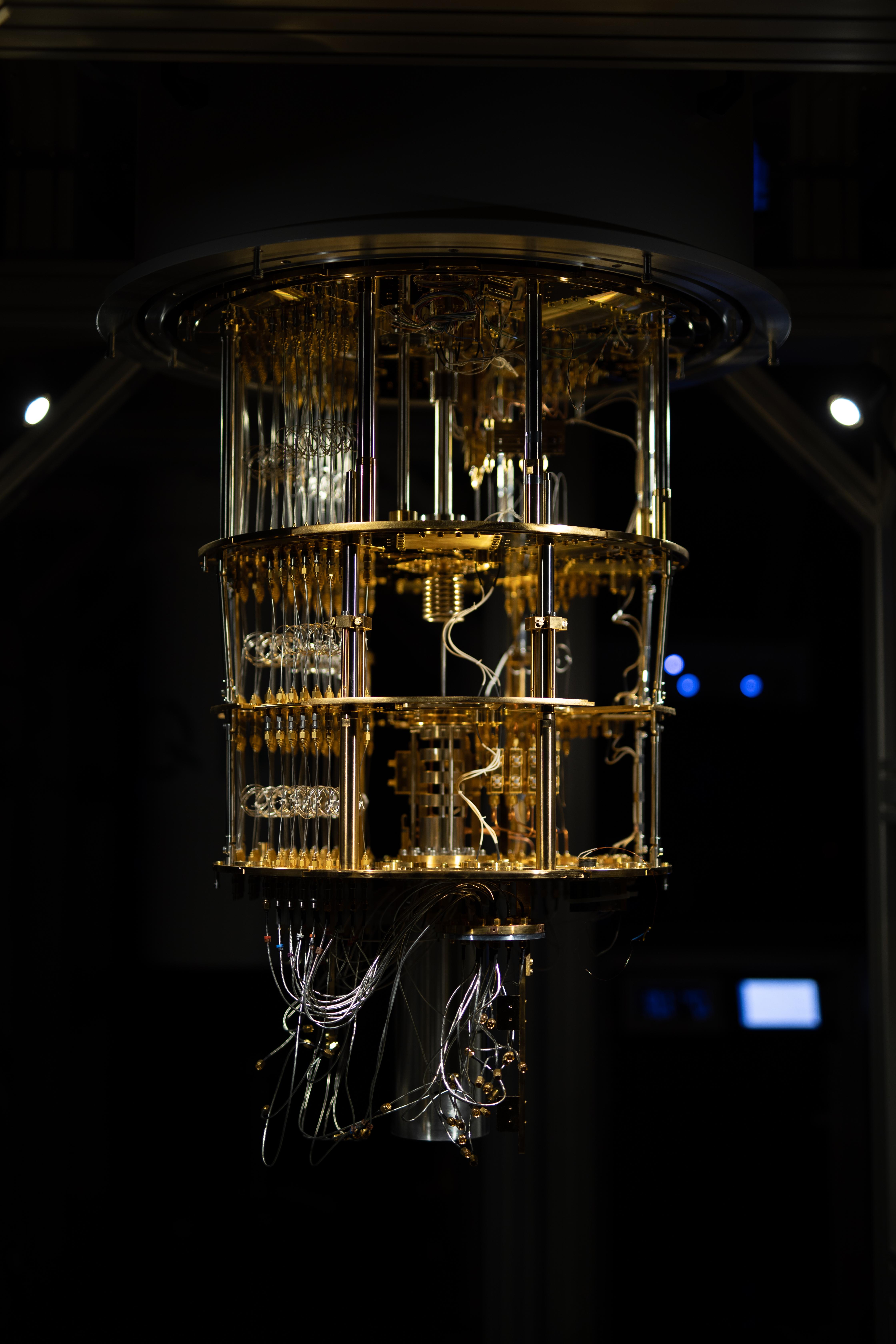
Image: infographic "The Protein Alphabet: All 20 Amino Acids", by Quantum-Si, released with the announcement (via GlobeNewswire).
Fontes
- Quantum-Si — comunicado oficial (GlobeNewswire, 18/11/2026)
- Quantisnow — resumo do anúncio da Quantum-Si
- Tickeron — contexto do Proteus e do cronograma de lançamento
Transparency note: this article was produced with the assistance of artificial intelligence, cross-referencing public posts on X and sources from the internet, and reviewed before publication. Consult the original sources to confirm the information.
Por Muse