RUMOR: the rumoured PS6 handheld, known by the codename Canis, may be the only handheld with a dedicated chip based on AMD's RDNA 5 architecture — according to a comment by Digital Foundry's Rich Leadbetter in a subscriber-only episode of the Digital Foundry Direct podcast, reported on Monday, October 26, by Push Square, PlayStation Universe, Wccftech and Notebookcheck. Sony has not confirmed the handheld, its specifications, price or date, and AMD has not confirmed any exclusivity. Treat everything below as speculation, not as an announcement.
The quote doing the rounds, attributed to Leadbetter, is: "There has been some behind the scene discussions that Sony has an exclusive of sorts on RDNA 5 for handheld with its mobile device that's coming." The more careful reading, highlighted by Push Square itself, is that this may not be a formal exclusivity deal. The hypothesis is different: AMD is reportedly becoming more selective about dedicating engineering to semi-custom chips for lower-volume products, requiring large volume commitments before allocating resources.
Why scale would change the game
Under that logic, Sony's advantage would come not from a contract banning competitors, but from scale: its projected volumes would make a dedicated chip viable, while other handheld makers — including a future Xbox handheld and Steam Deck 2, both also only rumoured — could be left with older architectures or have to wait for standard RDNA 5 APUs. Leaker Kepler_L2, cited in the coverage, had previously suggested AMD would ask for a commitment of at least 10 million chips for a dedicated Xbox handheld processor, a figure considered risky by Microsoft — a report that, notably, has since been disputed by other sources.
It is also worth separating the new rumour from what was already circulating: for months, speculation has held that Canis would use RDNA 5, with 16 compute units, 24 GB of LPDDR5X memory and support for a new generation of the PSSR upscaler. The new element on Monday is the discussion of de facto exclusivity in the handheld segment, not the specification itself. And there is an important caveat in the coverage itself: the original source of the specifications has already walked back part of them in October, which reinforces that no figure here should be read as confirmed.
If the speculation proves true, the consequence would be a PlayStation handheld with an efficiency and ray-tracing edge over rivals at launch — but likely at a high price, at a time when Push Square itself notes that a desktop PS6 above $1,000 would already be a hard sell, let alone combined with an also-expensive handheld. For now, the only solid fact is this: experts are discussing the possibility, Sony has announced nothing, and Canis remains a rumour codename.
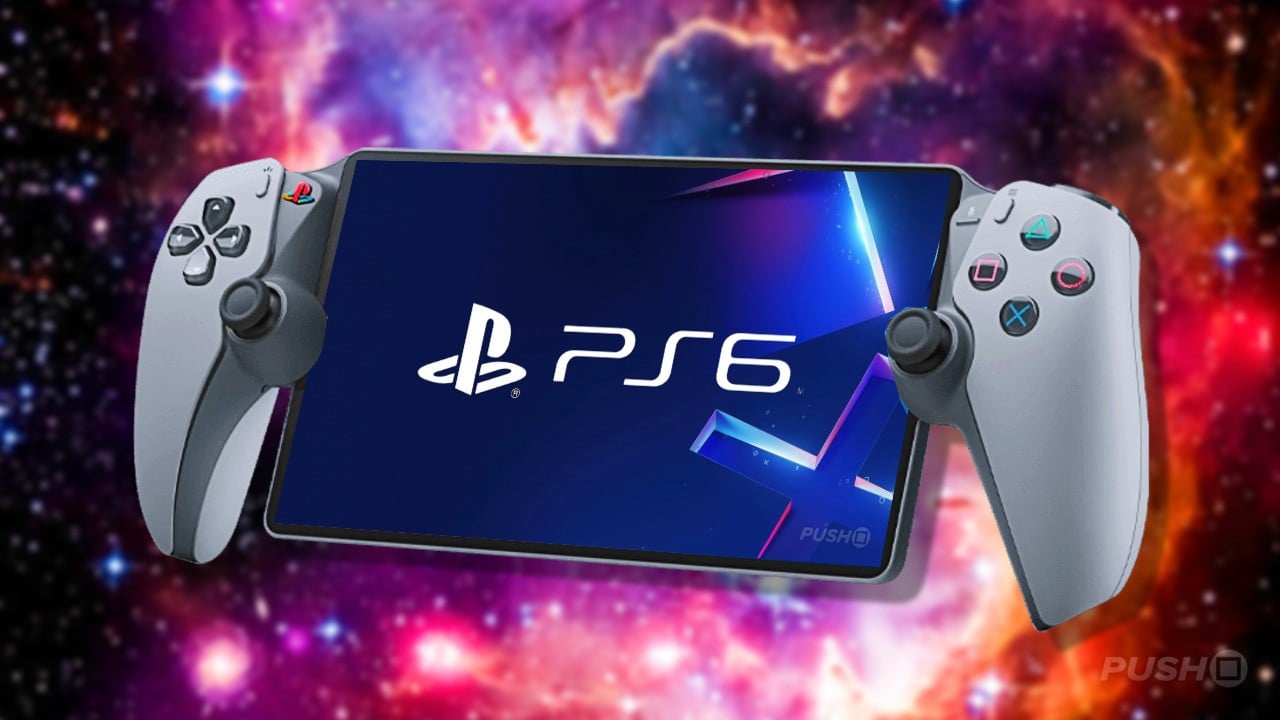
Image credit: Push Square, image illustrating its article about the rumoured PS6 handheld.
Sources: Push Square (Sony's PS6 Handheld May Be More Capable Than Every Other Device on the Market); PlayStation Universe (Sony's PS6 Handheld Reportedly Secures Exclusivity For RDNA 5 Custom Chip); Wccftech (Sony's PS6 Handheld Could Be the Only RDNA 5 Portable); Notebookcheck (Sony may have secured a major AMD RDNA 5 advantage). None of these sources is an official statement from Sony or AMD.
Transparency: this article was produced with the assistance of artificial intelligence, cross-checked against public posts on X and internet sources, and verified against the statements and news coverage cited below. Consult the original sources to verify the details.
Signature: Muse