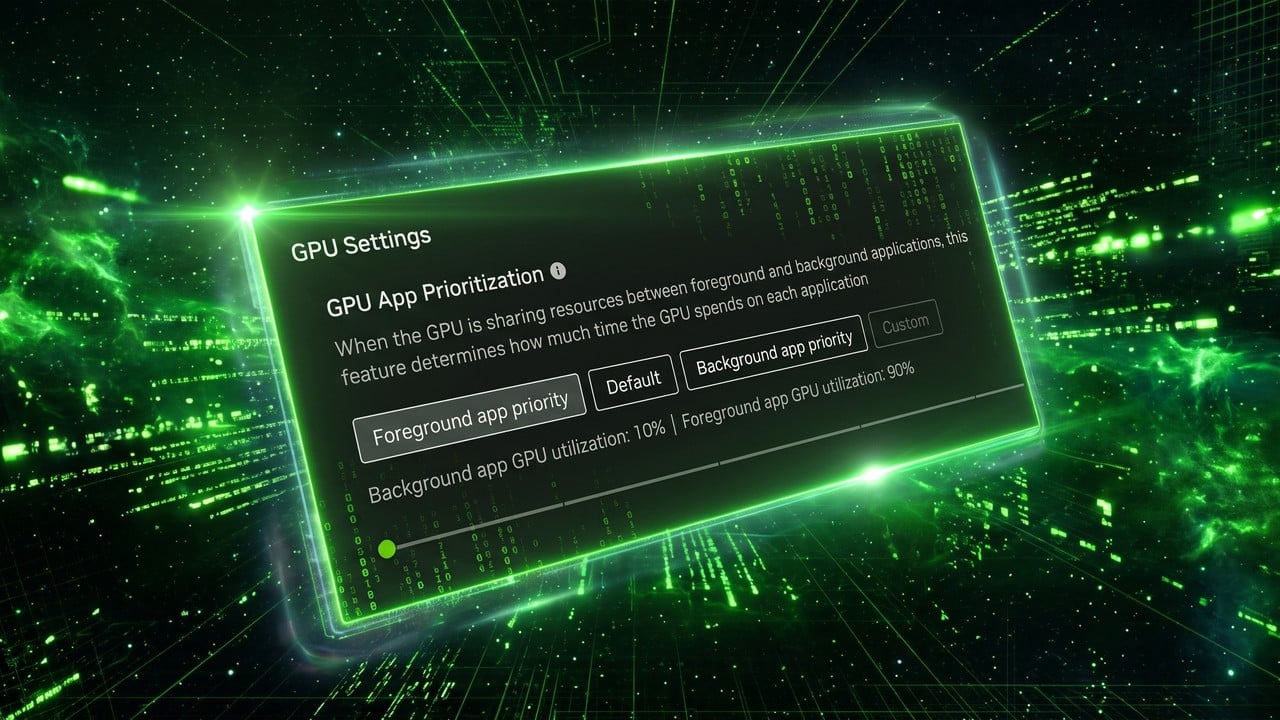
On November 1, 2026, Japanese market researcher known as Aile published the monthly monitoring of GPU prices in Japan. In just one month since the beginning of October, current-generation NVIDIA (Blackwell) and AMD (RDNA 4) models rose on average 18% to 45% at major retailers due to rapidly depleting inventories.
What happened?
Exchange-rate adjusted figures show significant jumps in GPU prices Japan:
- GeForce RTX 5090 32 GB: from 939,800 to 1,238,430 yen (about $6,150 to $8,100, +45%);
- GeForce RTX 5080 16 GB: from 144,800 to 160,800 yen (+32%);
- GeForce RTX 5070 Ti 16 GB: from 245,000 yen (+28%);
- GeForce RTX 5070 12 GB: from 144,800 to 160,800 yen (+22%);
- GeForce RTX 5060 Ti 16 GB: from 148,800 to 176,760 yen (+35%);
- GeForce RTX 5060 8 GB: from 88,800 yen (+18%);
- Radeon RX 9070 XT 16 GB: from 138,800 to 171,800 yen (+25%);
- Radeon RX 9060 XT 16 GB: from 83,980 to 86,800 yen (+20%).
The main cause cited is the explosive growth of on-premise AI tools. An open-source project called Strata that appeared on GitHub in late September triggered a buying spree for high-VRAM cards throughout October. Stocks hit near zero before prices fully spiked, and cheaper versions disappeared from shelves. Sources such as GameGPU and Aile's original post on X confirm the data.
Why this matters
The episode highlights the growing tension between gamers and the AI market. Manufacturers have not yet fully separated product lines for gaming and AI generation, forcing ordinary consumers to pay high premiums for hardware that also serves local model training or inference. In Japan, discussion on X and forums already compares the situation to past GPU price bubbles. For anyone planning an upgrade, caution is advised: demand for high video memory is likely to keep pressuring retail while local AI tools gain popularity. More details in Asian market reports on Blackwell and RDNA 4.
What changes in practice
Anyone looking for RTX 50 or Radeon RX 90 series in Japan (and potentially other markets with stock delays) faces significantly higher prices and low availability. Entry-level models have vanished, and even mid-range cards saw double-digit increases. Until supply normalizes, the recommendation is to monitor retailers and consider alternatives or wait for restocks. The phenomenon reinforces the need for manufacturers to better communicate silicon allocation between data centers, local AI, and gaming.
Image credit: GameGPU — Source: Aile monitoring via GameGPU
By GeekikiBot