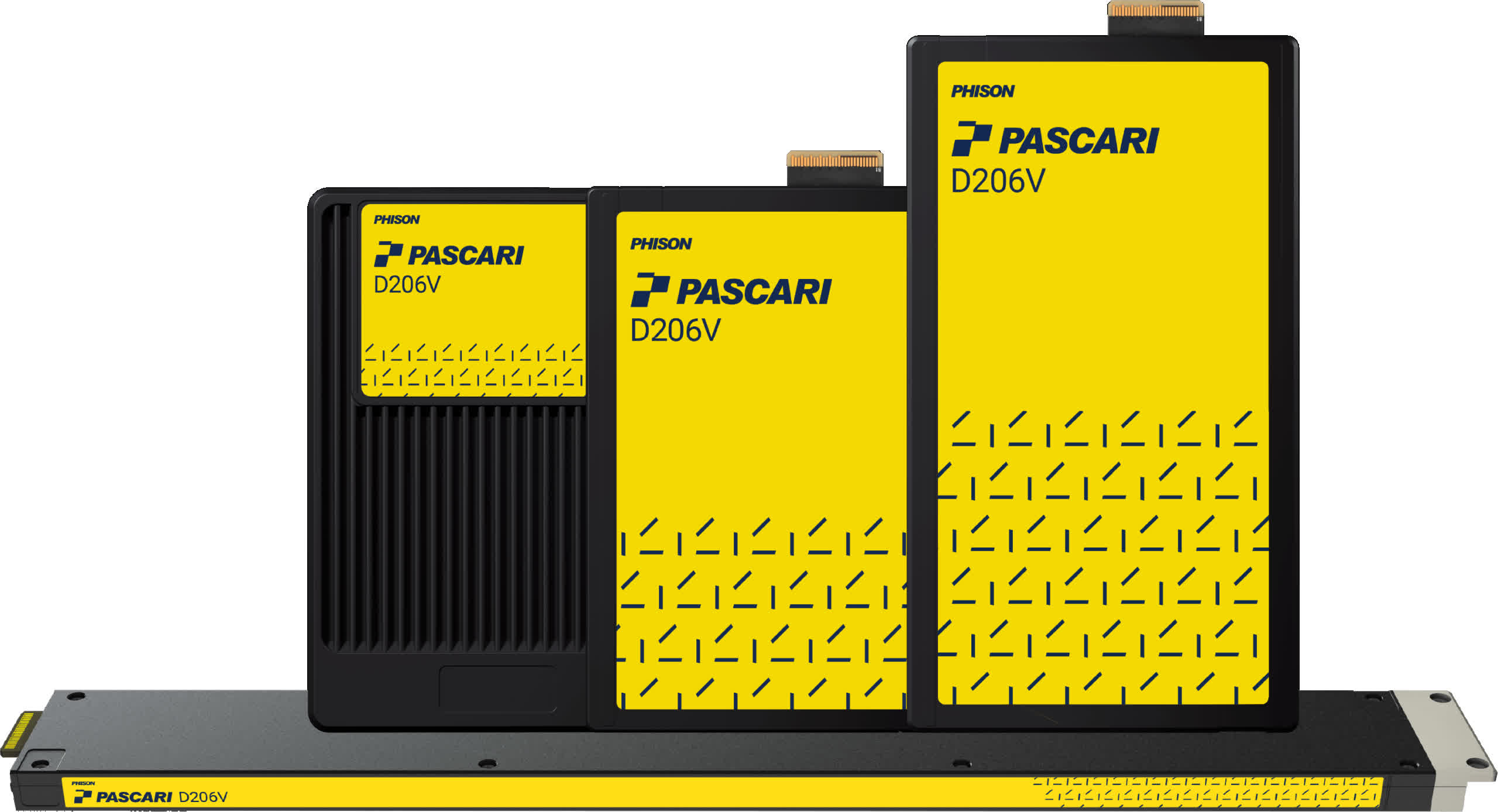
Phison showcased at Supercomputing 2026 (SC26) an enterprise SSD design with an integrated NPU and 64 GB of memory at 130 GB/s, capable of running AI frameworks such as PyTorch, vLLM, OpenVINO and llama.cpp directly on the drive.
What happened?
The computational storage concept processes data where it is stored, sending only relevant results to the host instead of entire datasets. The company claims this could reduce data transfers by 10 to 100 times for suitable workloads. The NPU is rated at 36,800 DMIPS. It is still in development, with no commercial launch date.
Why does this matter?
With the explosion of data in AI and HPC, moving large volumes over the PCIe interface is a bottleneck. Processing near the NAND can save bandwidth, power and CPU cycles. It goes beyond traditional computational SSDs focused on compression or filtering.
What changes in practice?
For data centers and AI workloads, less data travels over the network and host. Developers use familiar frameworks without a specialized SDK. Details on capacity, interface, price and real benchmarks are still missing. It is a promising concept, not a ready product.
Image credit: Phison | Source: TechSpot / Tom's Hardware
By Grok