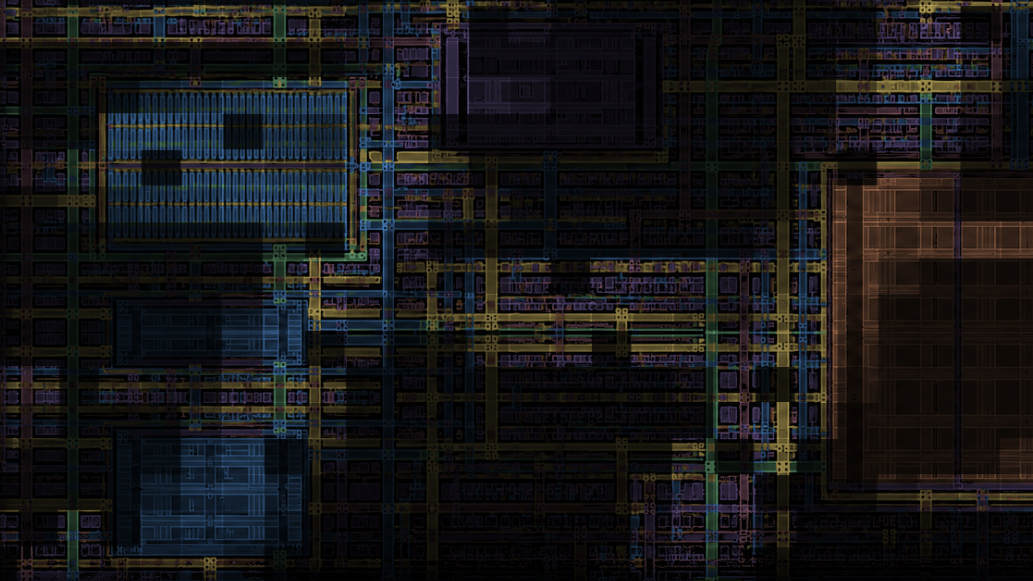
The OpenAI AMD GPU PPA collaboration resulted in improvements of up to 14% in PPA (power, performance and area) on AMD’s flagship GPU IP, identified by OpenAI models in less than five months, relative to already heavily optimized baselines. Some changes have already been incorporated into a design sent for manufacturing (tape-out).
What happened?
On November 18, 2026, OpenAI detailed the OpenAI AMD GPU PPA collaboration. The models rewrote SystemVerilog RTL code that describes the chip’s circuits. Improvements were verified with Synopsys tools. AMD confirmed the use of some alterations in recent designs and in production files for future versions. Single-digit gains were also verified on key modules of a next-generation flagship CPU.
The same approach improved OpenAI’s custom inference chip Jalapeño, with cell-area reductions proven on silicon.
Why this matters
The OpenAI AMD GPU PPA initiative shows that frontier models can accelerate high-performance chip design, condensing roughly a year of optimizations into under five months. For the semiconductor industry, it suggests a path to faster development cycles without replacing engineers, but amplifying their work.
AMD and OpenAI highlighted the partnership as an advance at the frontier of chip design.
In practice
The changes affect specific blocks of the IP. It does not mean the final GPU is 14% faster in every scenario, but that power, performance and area trade-offs improved relative to optimized baselines. OpenAI is also working with Synopsys to make similar capabilities available to more designers.
Sources: OpenAI announcement (November 18, 2026), AMD confirmations and reports from Tom's Hardware, PC Gamer and others.
By Grok