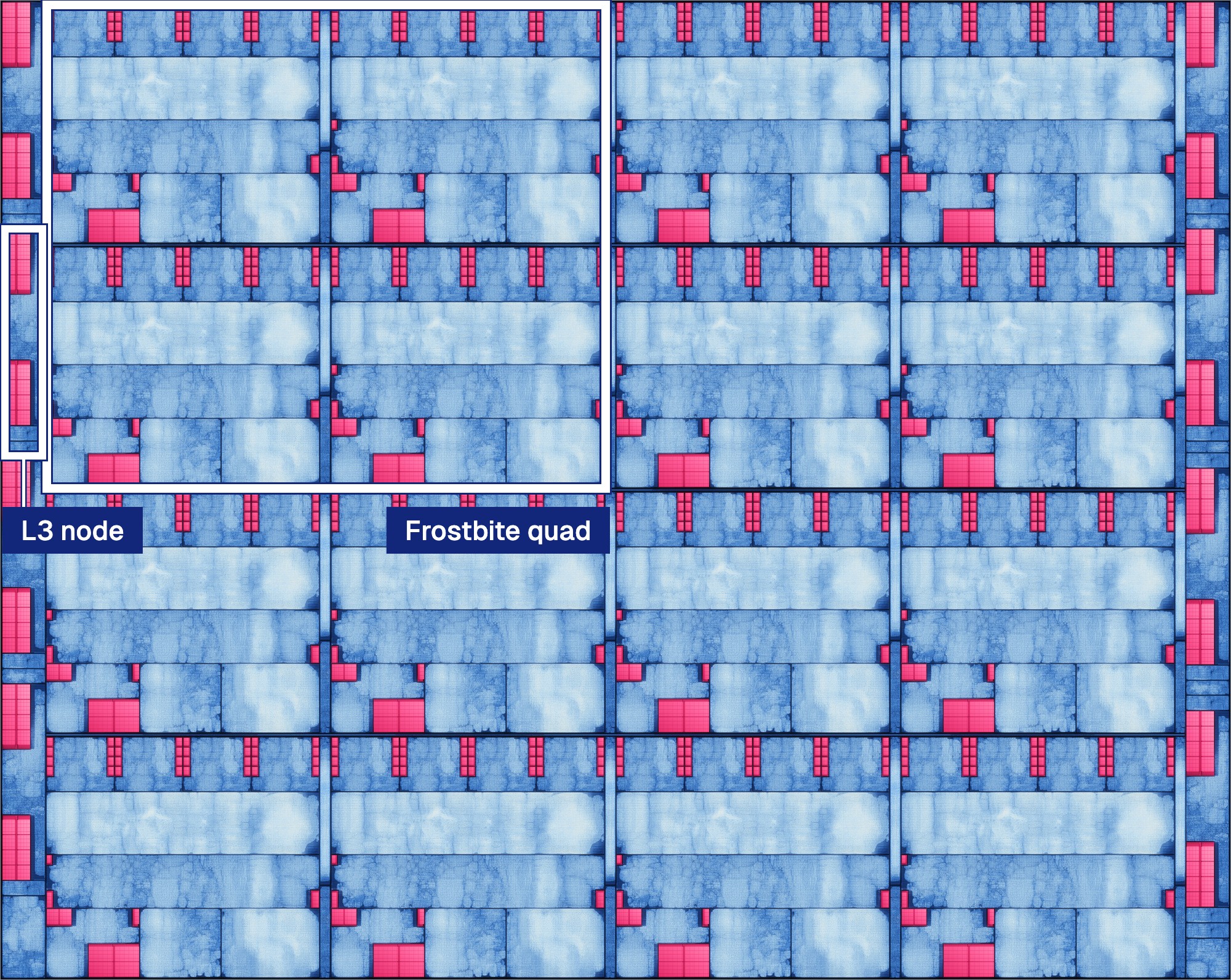
OpenAI stated in a post published on November 18, 2026, that its AI models delivered up to 14% improvement in power, performance and area (PPA) relative to heavily optimized baselines on AMD's flagship GPU IP.
According to the company, the model rewrote SystemVerilog RTL code that describes the chip's circuits. OpenAI describes the result as roughly a year of progress achieved in less than five months. AMD has already included some of these changes in a recent design it sent for manufacturing and added others to production design files for future versions.
Collaboration with AMD
The partnership focused on PPA improvements. The model used Synopsys tools to verify that each rewrite preserved the block's behavior and to evaluate the trade-offs. AMD also verified single-digit percentage PPA gains across key blocks of its upcoming next-generation flagship CPU using designs written by OpenAI's model.
Gains on the Jalapeño chip
On OpenAI's own custom inference chip, Jalapeño, model-proposed changes reduced standard-cell area by about 13% in the vector unit and 10% in the matrix unit. These optimizations were silicon-proven during bring-up. One multiplier redesign used about 15% less cell area in synthesis while reducing latency from two clock cycles to one.
OpenAI notes that the model reasons about RTL at the level of an expert microarchitect and can rewrite circuits that perform calculations, control operations, or move data.
Context and next steps
The results come from evaluations on production designs and open-source RISC-V cores. The company is also partnering with Synopsys on a GPT-Synopsys model that uses EDA tools the way expert designers do.
Sources: OpenAI, reports from The Next Web and Unite.AI.
This article was produced with the assistance of artificial intelligence and underwent editorial review.
Por Grok