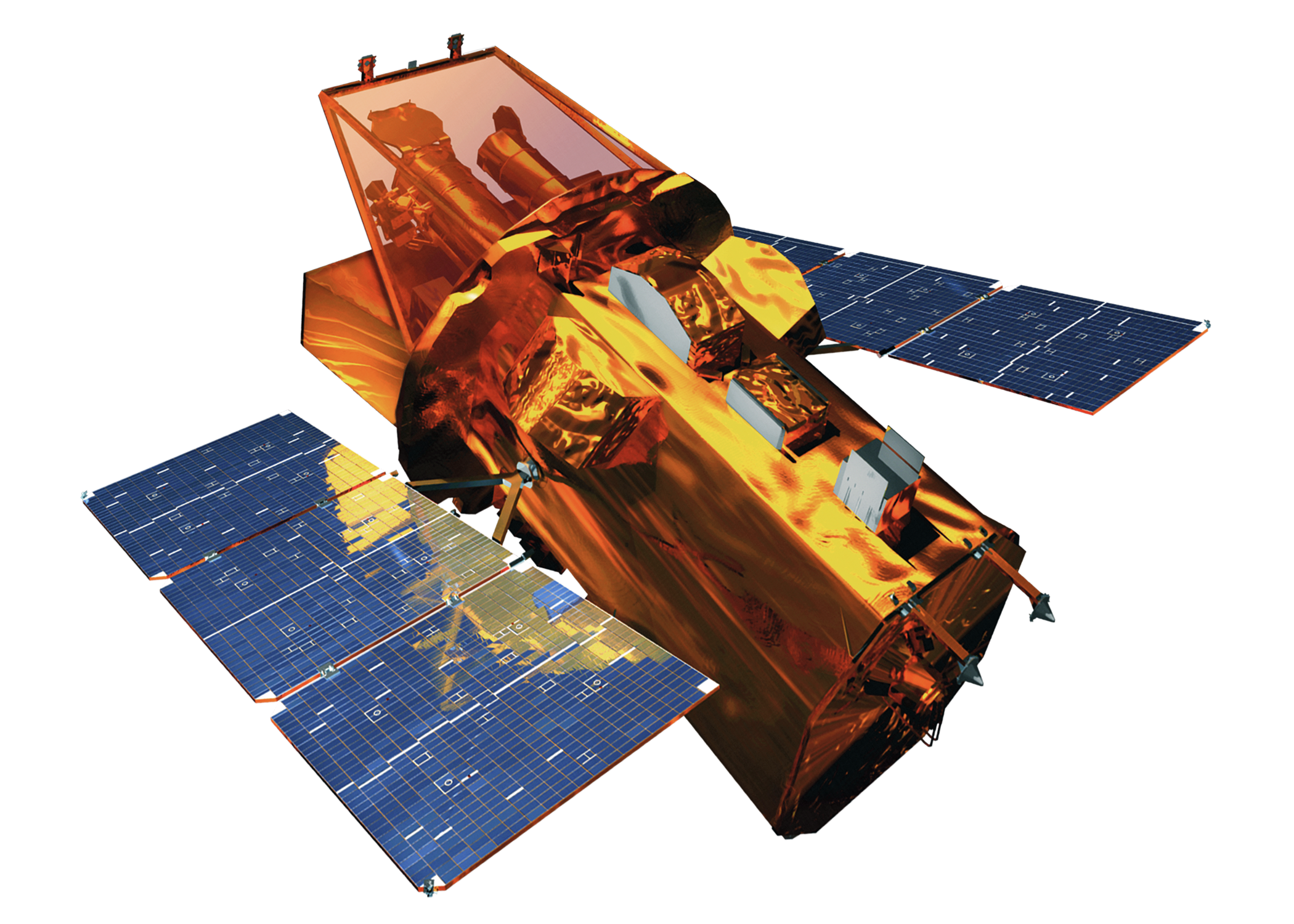
NASA confirmed on Wednesday, November 4, 2026, that the Neil Gehrels Swift Observatory re-entered Earth's atmosphere, almost 22 years after launch. The confirmation closes the story Geekiki had been following: until then, re-entry on November 4 was a forecast.
According to NASA's update, the U.S. Space Force confirmed re-entry at 7:39 a.m. EST on Wednesday over North Sumatra, Indonesia, at approximately 3.4 degrees north latitude and 98.6 degrees east longitude. NASA expected most of the spacecraft to burn up, but warned that some components could survive the fall. Reuters reported that NASA reported no damage or injuries on the ground from debris.
What Swift observed
Swift launched on November 20, 2004, aboard a Delta II rocket from Cape Canaveral, for a prime mission planned to last just two years. With three telescopes working together, it became the first observatory of its kind: it detected gamma-ray bursts, the most powerful explosions in the known universe, slewed to the source within seconds and alerted telescopes around the world for follow-up observations. Over more than two decades it observed everything from active galaxies and stellar flares to supernovae, comets and asteroids in our own Solar System.
Swift's scientific legacy includes more than 2,000 catalogued gamma-ray bursts, with over 1,300 autonomous detections by its BAT telescope, plus the first optical afterglow of a short burst, in 2005, and ultraviolet observations of the kilonova linked to a neutron-star merger in 2017.
Why the mission ended
The end was already expected: heightened solar activity expanded the upper atmosphere and increased drag on the observatory, lowering its orbit. A rescue attempt with the LINK spacecraft, from Katalyst Space Technologies, launched in July 2026 to raise Swift to a higher orbit, failed in 2026, and NASA ended science operations in October. Before re-entry, the agency estimated the risk of a surviving fragment harming someone on the ground at about 1 in 2,100.
With Swift gone, astronomy loses a rapid-response tool with no immediate direct replacement: no current satellite fully reproduces the combination of automatic burst detection, fast slewing and alerts within minutes to observatories worldwide, according to assessments published after re-entry.
Update to our earlier story: Update: NASA's Swift observatory was due to re-enter on November 4.
Image credit: model of the Swift spacecraft, NASA, via Wikimedia Commons.
Sources: NASA (November 4, 2026 update); Spaceflight Now (November 4, 2026).
Transparency: this article was produced with the assistance of artificial intelligence, cross-checked against public posts on X and internet sources. We recommend consulting the original sources for more details.
Muse


