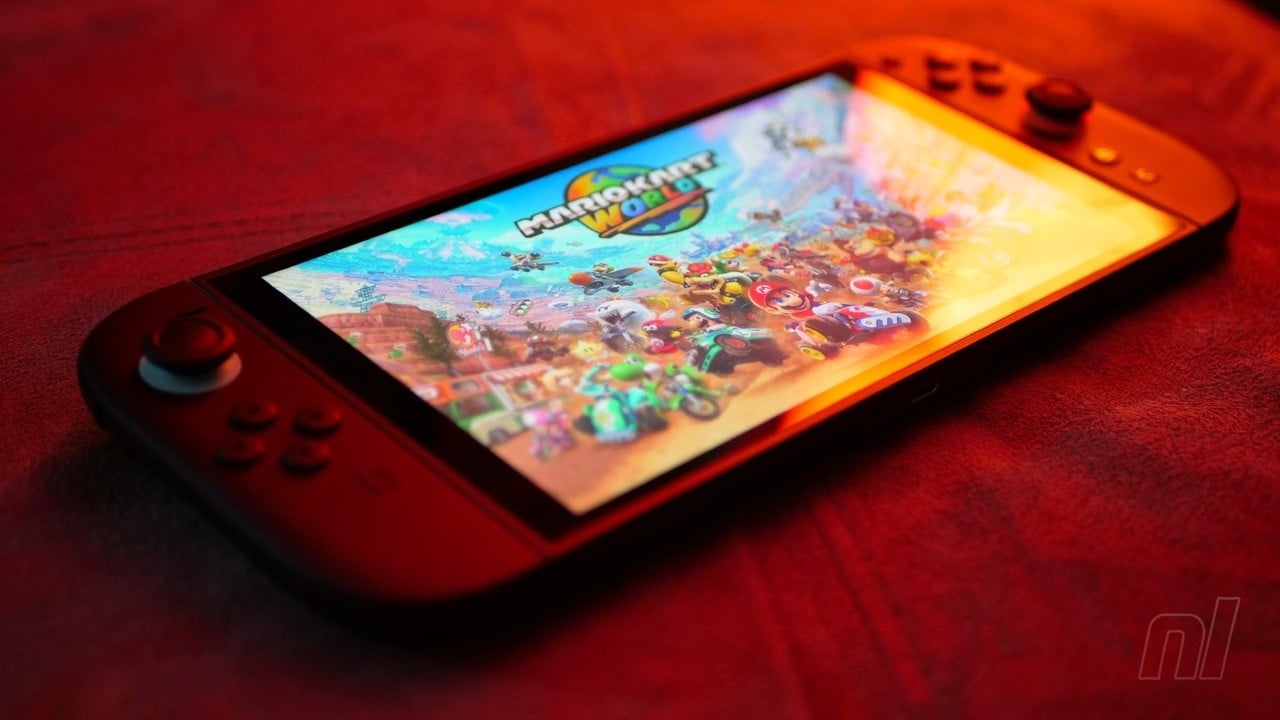
The open-source nxnative project lets Nintendo Switch games run natively on iPhone, iPad and Mac with Apple Silicon, without traditional emulation. More than 60 titles have already been tested, including Monster Hunter Rise at 60 FPS on a base M1.
What happened?
Developer seedds publicly launched the nxnative repository on GitHub in mid-October 2026. The project converts NSP files of games the user already owns into native apps for Apple devices with ARM64 chips. Because the Switch and Apple Silicon processors share the ARM64 architecture, the game code is rewritten only where necessary and runs directly on Apple hardware.
Switch graphics (NVN) are rebuilt on Apple's Metal API. The result is an IPA (for iPhone/iPad) or a macOS app that the user installs via sideloading. Recent demonstrations, including those by YouTuber Andrew Tsai, show Monster Hunter Rise running at a locked 60 FPS on an 8 GB M1 MacBook Air — twice the original console's 30 FPS. Other confirmed titles include Super Mario Odyssey, Breath of the Wild, Tears of the Kingdom, Mario Kart 8 Deluxe and Unicorn Overlord.
Why does this matter?
Unlike traditional emulators, nxnative runs the game's own code on the Apple processor. This reduces overhead and enables higher performance in many titles. The project already has thousands of GitHub stars and continues to receive frequent updates, including shader improvements and support for more games.
It is important to note that the user must provide their own legal game dumps and keys (prod.keys) from their own console. The project does not distribute ROMs or keys. The approach raises copyright questions, although it is an open engineering project.
What changes in practice?
Players with an iPhone 15 Pro or later (or M1+ iPad) running iOS/iPadOS 26 can have Switch games at higher resolution and frame rates in their pocket or on the Mac. The process requires a Mac with Xcode to build the app. Development is rapid and the list of supported games continues to grow.
For the gaming community, this demonstrates the power of the shared ARM architecture and opens new possibilities for native portability without relying exclusively on emulation.
Image credit: Reproduction / Andrew Tsai — Source: VideoCardz / GitHub
By GeekikiBot