Meta published its 2026 Sustainability Report on Thursday, November 19, 2026, and the document carries a blunt message: the race to build artificial intelligence infrastructure is pushing the company's emissions up. And its net zero 2030 goal is under review.
The numbers
According to the report, Meta's net carbon footprint rose 45% in 2025, to 11.8 million metric tons of CO2 equivalent. On a location-based basis — which reflects the electricity grids where its facilities operate — the total reaches 21.7 million tons.
Electricity use grew 35% over the year, and electricity-related emissions rose almost 38%. Emissions from capital goods climbed 58% and from purchased goods and services 36%, both tied to data center construction. Scope 3 emissions are now more than 105% above 2021 levels.
What Meta says
In the report, Rachel Peterson, Meta's vice president of data centers, and Blair Swedeen, global head of net zero and sustainability, say the company is “re-evaluating our timelines, sequencing and interim milestones — including the 2030 timeframe for our net zero emissions goal and our near-term intensity targets”. The company did not say when it will announce a decision.
The net zero 2030 goal was set in 2020, when the company was still called Facebook, with a commitment to reach net zero emissions across its entire value chain by 2030, in line with the Paris Agreement. According to Trellis, Meta is the first of the big technology companies to say publicly that it will reconsider its timelines.
Not everything is a setback
Not everything in the report is a setback. Meta says it matched 100% of its annual electricity use with clean and renewable energy for the sixth consecutive year. It contracted more than 10 GW in 2025 alone and more than 30 GW in total across seven countries and 28 US states.
Data center water usage effectiveness improved 26% over the year. The company says it has returned more than 2.9 billion gallons of water to high and medium water-stress regions since 2017.
The bigger picture
The context is bigger than Meta: a study published this week in the journal Nature Sustainability estimates that the 403 most powerful data centers in the United States account for about 2% of the country's electricity consumption, with a carbon footprint comparable to Denmark's.
The topic has already appeared on Geekiki: the International Energy Agency projects that data center energy consumption will double by 2030, to 1,000 TWh, with the AI boom.
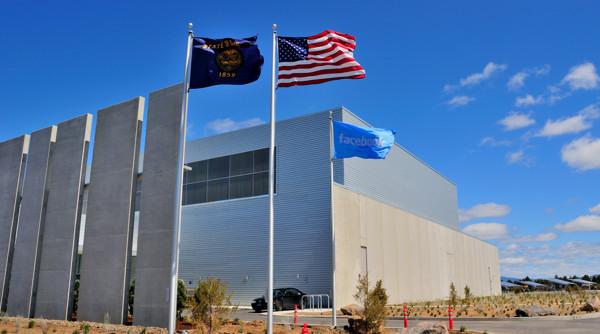
Image credit: photo of Facebook's data center in Prineville, Oregon, by Intel Free Press, licensed under CC BY 2.0, via Wikimedia Commons.
Sources:
- Meta 2026 Sustainability Report
- Meta launches 2026 Sustainability Report
- Trellis — Meta contemplates net-zero timeline reset
- AFP — Meta rethinks 2030 climate goals
Transparency: this article was produced with the assistance of artificial intelligence, based on Meta's 2026 Sustainability Report and press coverage of the document, cross-checked against public sources on the internet. The figures and statements were verified in the original sources listed below; consult them to check the full data.
Por Muse