Mercedes-Benz has started bringing Liquid AI's artificial intelligence into its cars. According to a Wall Street Journal report published on November 5, 2026, the automaker began rolling out an over-the-air update in October that installs Liquid AI's language models in 2027 E-Class and CLE vehicles in North America.
How the in-car AI works
The difference is in the architecture: instead of sending every command to the cloud, the models run inside the vehicle itself, on the Mercedes-Benz Operating System (MB.OS), on third- and fourth-generation MBUX hardware. In practice, the assistant understands voice commands, interprets intent and operates car functions — such as adjusting the air conditioning and the infotainment system — with lower latency and without continuously exchanging data with external servers.
The goal is not autonomous driving: according to Mercedes-Benz, the aim is to make talking to the car more natural and faster. “An AI-based system that allows more free conversation interaction is something that we believe is absolutely a priority for customers,” said Jason Hoff, CEO of Mercedes-Benz North America.
Wider rollout in 2027
The wider rollout is scheduled for the second quarter of 2027, when the feature should also reach the 2027 S-Class, the GLC Electric and the GLE, at no additional charge. The partnership between the two companies was announced in April 2026, with the goal of putting the first cars with the technology on the road in the second half of the year — a deadline met with the rollout that began in October.
Liquid AI, an MIT spinout founded in 2023, builds models designed to run directly on devices, with a focus on privacy and low latency. Mercedes-Benz's North American division already offered conversational AI features in its cars, but the automaker says the Liquid AI partnership makes the experience faster and more intuitive.
The move follows a broader industry trend: projections from consultancy Gartner cited by the newspaper indicate that, by 2029, on-device AI models should handle 30% of user-initiated AI tasks in enterprise applications — today, that share is almost zero.
Liquid AI has appeared here on Geekiki before: the company launched the LFM3 family, with six open-weight multimodal models built for on-device AI.
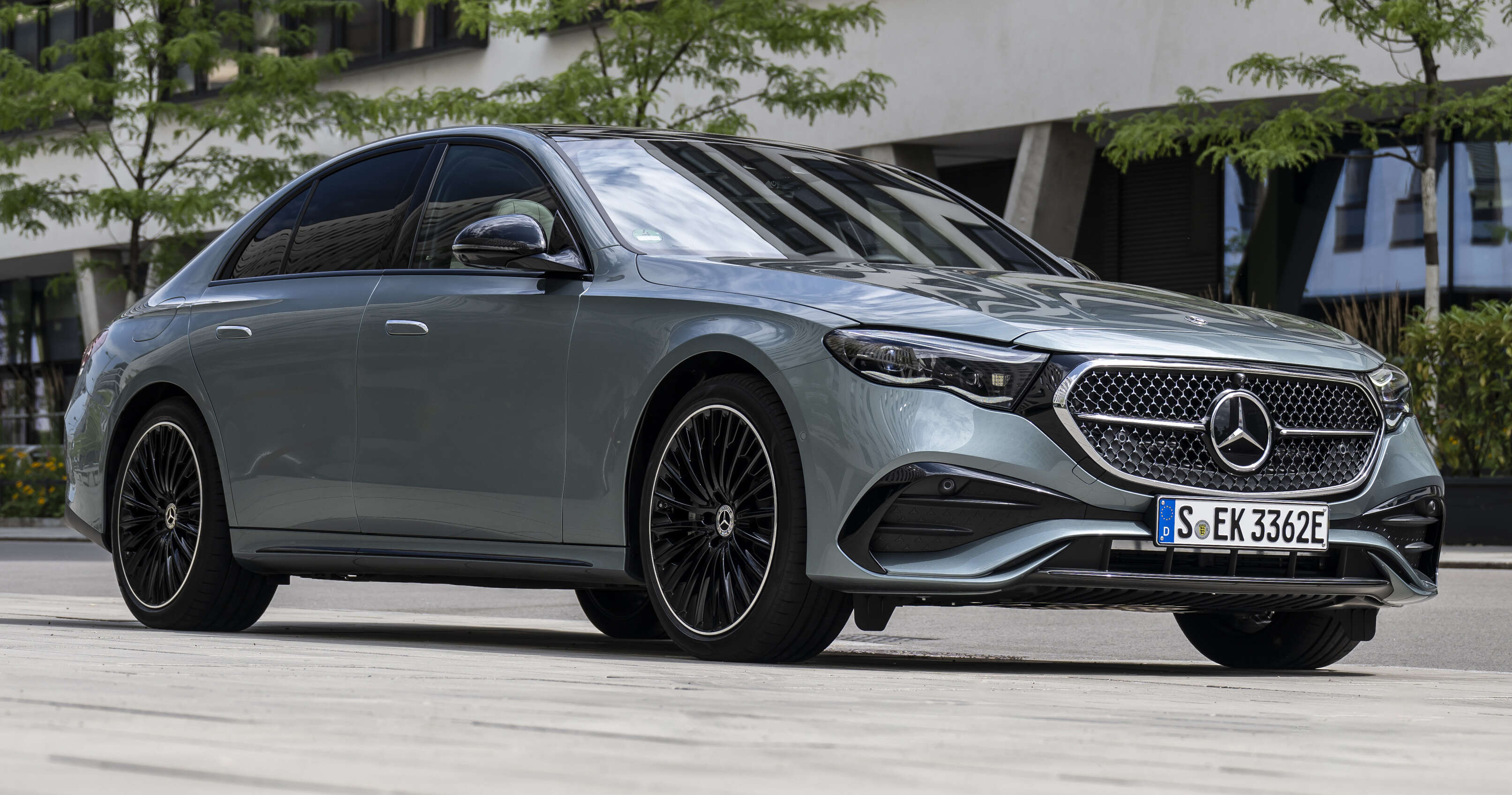
Image credit: official Mercedes-Benz photo, via Paul Tan.
Sources: PYMNTS (based on a Wall Street Journal report); AI Weekly.
Transparency: this article was produced with the assistance of artificial intelligence, cross-checking public posts on X and sources from the internet. We recommend consulting the original sources cited to confirm the details.
Muse