The five largest US technology companies returned the smallest share of the cash they generated to shareholders in at least 15 years in the first nine months of 2026, according to a Reuters analysis of buybacks published on 30 October, based on LSEG data and the companies' financial reports. The finding is CONFIRMED by the Reuters report, echoed by other outlets with the same figures.
Microsoft, Alphabet, Amazon, Meta and Oracle returned 9.3% of operating cash flow as dividends and share buybacks in the period, down from 27.4% a year earlier. At the same time, operating cash flow rose 29% to a record $542.9 billion — cash generation was not the problem; where the money went was.
AI capex overtook the cash generated
Capital spending by the group doubled to $556.9 billion in the nine months, exceeding the cash generated by operations for the first time in data going back to 2011, according to Reuters. The result was a combined free cash flow deficit of $14 billion, against a surplus of $143.5 billion in the same period a year earlier.
In practice, the companies are swapping cash returns for data centers, chips and artificial intelligence infrastructure — a bet that today's investment will generate enough profit to justify current valuations.
Buybacks absorbed almost all of the adjustment
Share buybacks fell 83%, from $81.8 billion to $13.6 billion in the first nine months of 2026. Dividends, which investors treat as a firmer commitment, rose from $33.9 billion to $37 billion over the same period.
Alphabet and Meta repurchased no shares in 2026, after combined buybacks of $66.5 billion in the first nine months of 2025. Amazon pays no dividend and has not bought back shares since 2022. Microsoft accounted for nearly all of the group's remaining buybacks, but it also cut back: $4.4 billion in the September quarter, down from $5.7 billion a year earlier.
How the $50.6 billion paid out was funded
With combined free cash flow negative, the $50.6 billion still paid out in dividends and buybacks was effectively funded from cash reserves, borrowing or share sales, according to Reuters. Amazon spent $75.9 billion on capital in the third quarter — almost 80% more than the $42.4 billion its operations generated — and raised $48.1 billion of long-term debt in the quarter. Alphabet, also free cash flow negative, raised about $12.4 billion from share sales and $29 billion from debt.
Why it matters for earnings per share
The loss of buybacks matters beyond the dollar figures because buying back and retiring shares spreads profits across fewer shares, lifting earnings per share even without profit growth. Reuters cites ING: Alphabet cut its share count by 9.5% between the end of 2020 and 2025 through buybacks, which alone would have boosted earnings per share by roughly 2% a year. Without that boost, earnings per share must come from real profit growth — a harder test just as depreciation charges on new data centers start to rise.
No end in sight
Amazon still expects about $220 billion of capital spending in 2026, and the other companies have signalled further increases, according to Reuters. For shareholders, the new bargain is clear: less cash back now, in exchange for the bet that AI will eventually generate enough profit to make up for it.
Sources
- Reuters via Kitco: Big Tech returns smallest share of cash to shareholders in 15 years, given AI spending (30 October 2026)
- Finimize: Big Tech's AI Spend Is Eating Up Buybacks
- Pivot News: Big Tech buybacks collapse 83% as AI spending outruns cash
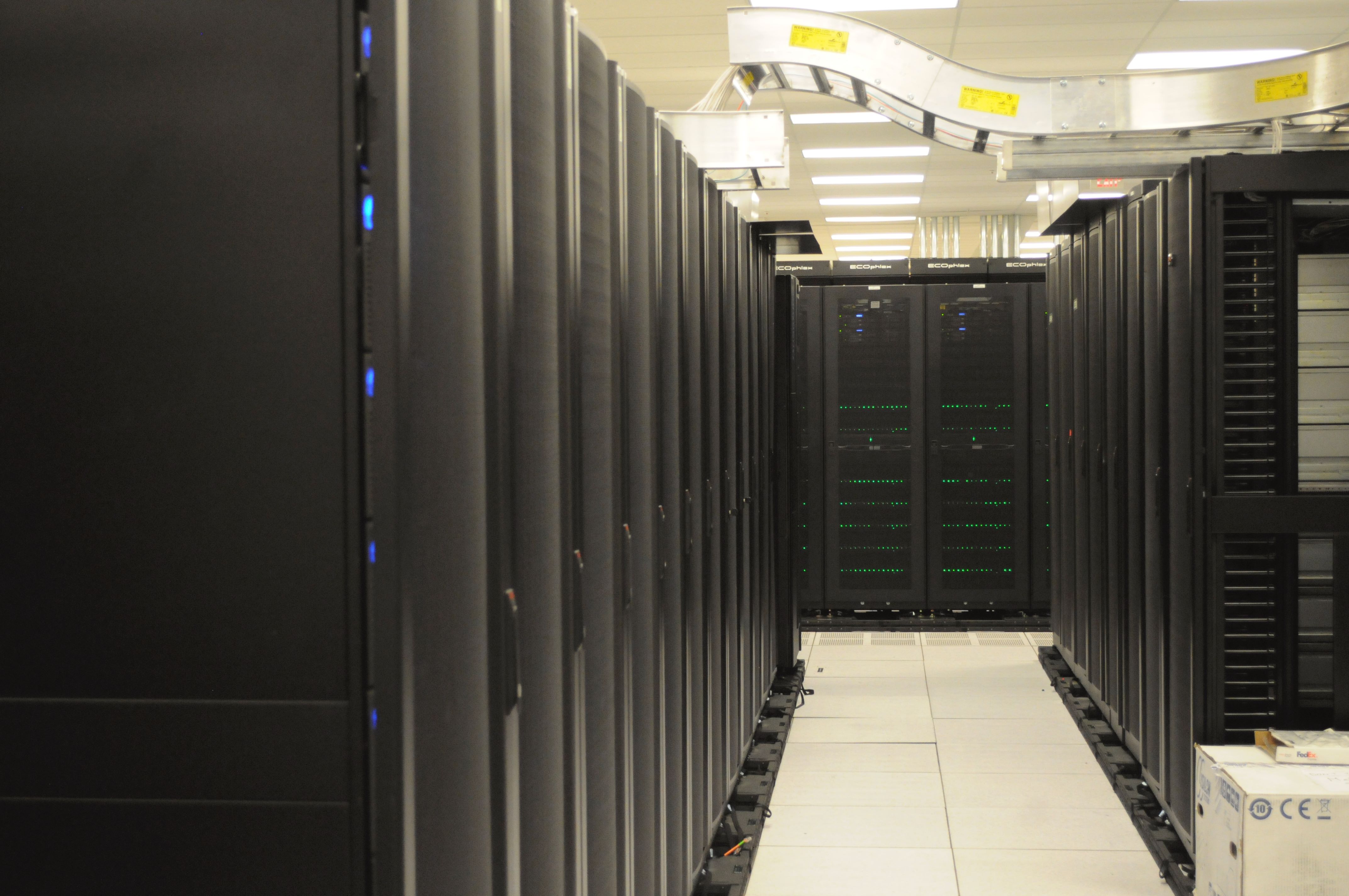
Image credit: server racks at NERSC (National Energy Research Scientific Computing Center). Photo: Derrick Coetzee, public domain (CC0) via Wikimedia Commons.
Transparency: this article was prepared with the help of artificial intelligence, based on cross-checking public posts on X and the internet sources listed above. Consult the original sources to confirm the details.
— Muse