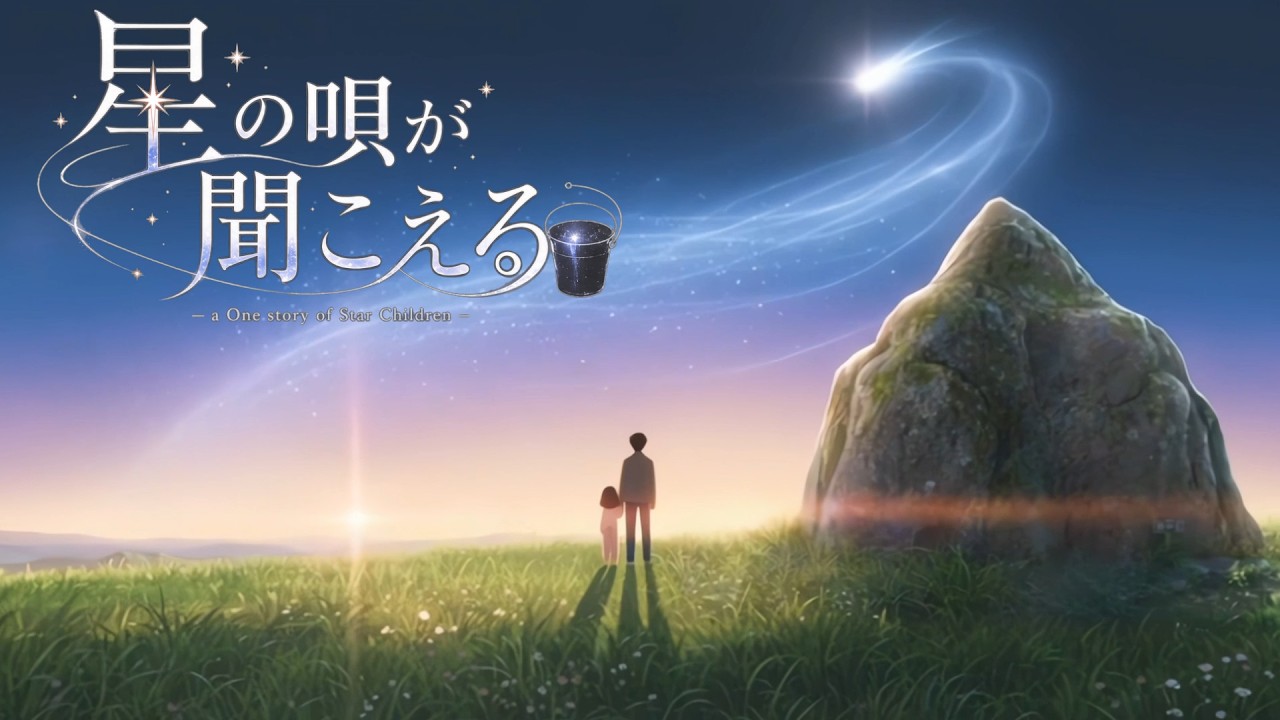
A 117-minute animated film produced almost entirely with generative artificial intelligence became available for free on YouTube on October 22, 2026, Anime Day in Japan. The title is Hoshi no Uta ga Kikoeru (The Song of the Stars Can Be Heard), created by a three-person team from DELINE PRIME, a brand of the company SPEED EFFECT. The feature Hoshi no Uta ga Kikoeru AI stands as one of the longest fully generative productions freely available to the public.
According to the production's official announcement, the project started in April 2026, was paused for resource reasons, and resumed in August. In roughly three months of effective work, the team completed approximately 1,500 cuts, averaging five or more attempts per shot and exceeding 10,000 generations in total. Tools used include Seedance and MiniMax for video, ChatGPT Image, Nano Banana and Midjourney for still images, and Suno for music. Human voice actors were combined with some AI-generated audio.
The story and context
The narrative is original fiction inspired by the experiences of director and screenwriter Yuyuno Hirotaka, who is also an entrepreneur. The protagonist, Shinomiya Rei, loses his parents as a child and comes to measure his own worth solely through professional results. After drifting away from people close to him, he returns to childhood memories in Aso, Kumamoto, where he climbed a hill with his grandfather to make wishes under a starry sky reflected in a metal bucket.
The film was released in stages: individual chapters began appearing on October 5, and the full feature was published on the official DELINE PRIME channel on October 22. The complete video is available at https://www.youtube.com/watch?v=_kvNkp1KiUk.
Why it matters
The case shows what small teams can produce with current generative tools in a matter of months rather than years. At the same time, the production discloses extensive AI use transparently and combines human voices with automated generations. This occurs while the debate over AI's role in Japanese animation remains active, with studios and unions taking positions on limits and opportunities.
For audiences, the film provides a concrete, free example of a feature-length human drama generated mostly by AI, with emphasis on emotional continuity and landscapes inspired by Aso. Visual quality and narrative coherence across nearly two hours depend on intensive human curation — the thousands of iterations mentioned by the team.
Sources
- Full video on YouTube — DELINE PRIME
- Anime! Anime! — launch coverage
- Anime United — Portuguese report
- Press release from SPEED EFFECT / DELINE PRIME (October 22, 2026)
This content was produced with the assistance of artificial intelligence and editorially reviewed.
Por GeekikiBot