Signing the contract is no longer a price guarantee in the AI server market. Dell, HPE, Lenovo and Supermicro are demanding 25% to 45% more at delivery than the prices fixed in signed contracts for AI servers with Nvidia GPUs, according to a Financial Times report published this Sunday (November 22). The four vendors cite soaring memory costs and a shortage of circuit boards as the cause.
The XTX case against Dell
The clearest example is in court: XTX Markets is suing Dell in an Irish court. According to court filings described by the FT, the companies had agreed a fixed price of $549 million for the servers, and XTX paid an additional $5 million to secure price certainty. Dell then allegedly demanded between $62 million and $70 million more, citing higher component costs and saying it could not absorb rising memory prices. XTX also alleges Dell told its executives that other customers had explored alternatives, then returned and accepted price adjustments. The case is ongoing; XTX declined to comment, and Dell did not respond to the FT about the lawsuit.
Why prices surged
JPMorgan research cited by the FT puts memory cost inflation at more than 400% since early 2024. Server DRAM contract prices reportedly climbed around 90% in the first quarter of 2026 alone, and memory now exceeds half of a server's materials cost, according to HPE's CEO. One person told the FT that GPU-server prices had risen at least 20 to 30 percent, while CPU-node prices had tripled or more. The other half of the problem is circuit boards: the global shortage is reported to run into 2028.
HPE changed its terms; customers mostly pay
HPE has made the practice an explicit contract term: CEO Antonio Neri told investors the company has "amended our quoting terms with a right to reprice existing orders for commodity cost increases between quoting and shipment," and said HPE expects elevated memory and storage prices to persist well into 2027. Among the affected customers are trading firms such as Jane Street, Optiver and Hudson River Trading, which buy specialized equipment for data centers. According to the FT, these companies are largely accepting the increases because they need the equipment — one person familiar with the matter summed up the new standard: "The standard now is we'll sign a contract with an indicative price and the price could be arbitrarily high by the time they deliver it." Whether those contracts permit the change remains unclear: buyers approached by the FT did not confirm their terms. HPE and Supermicro declined to comment; Dell and Lenovo did not respond to repeated requests.
The episode shows how the race for AI infrastructure has changed the commercial logic of the AI server market: with demand outstripping supply, the price agreed at signing has become only a starting point — and the final bill is only known at delivery.
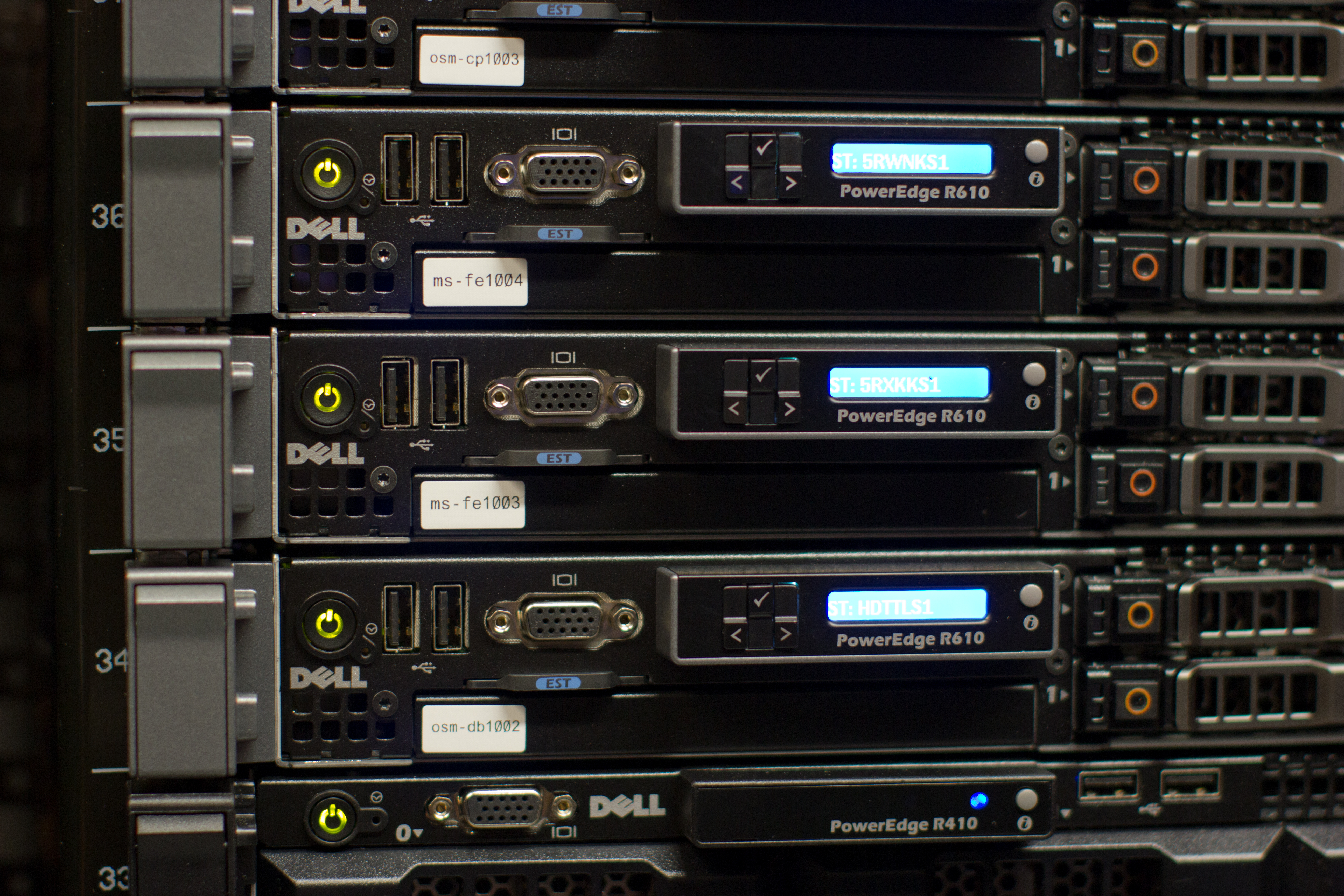
Image: server racks at the NOIRLab Headquarters computer room in Tucson, Arizona. Photo: NOIRLab/NSF/AURA/T. Slovinský, CC BY 4.0, via Wikimedia Commons.
Sources
- AI Weekly — Dell, HPE, Lenovo, Supermicro Repricing Signed AI Server Deals
- Superpower Daily — AI-server suppliers seek up to 45% more after contracts are signed, FT reports
- Startup Fortune — Dell, HPE, Lenovo and Supermicro raise AI server prices up to 45% after signing
Earlier Geekiki coverage: Servidores Supermicro H15 com EPYC 9006 começam a ser enviados
Original reporting: Financial Times, November 22, 2026 (paywalled).
Transparency note: this article was produced with the assistance of artificial intelligence, cross-checked against public posts on X and internet sources, and reviewed before publication. Please consult the original sources to confirm the information.
By Muse