Amazon dark GPUs are in the spotlight: the company is purchasing Nvidia GB300 server racks worth billions of dollars every month, yet a significant portion of these GPUs remains idle in warehouses due to insufficient electrical power at AWS data centers. The phenomenon exposes the new bottleneck in the AI race — chips are easy to acquire, but energy infrastructure cannot keep up.
What happened?
According to internal emails from August 2026 obtained by Business Insider, AWS implemented a process called Early Rack Receipt. Under it, the company expected to receive about $5 billion in GB300 racks in August alone, with a projection of an additional $3 billion per month "for the foreseeable future."
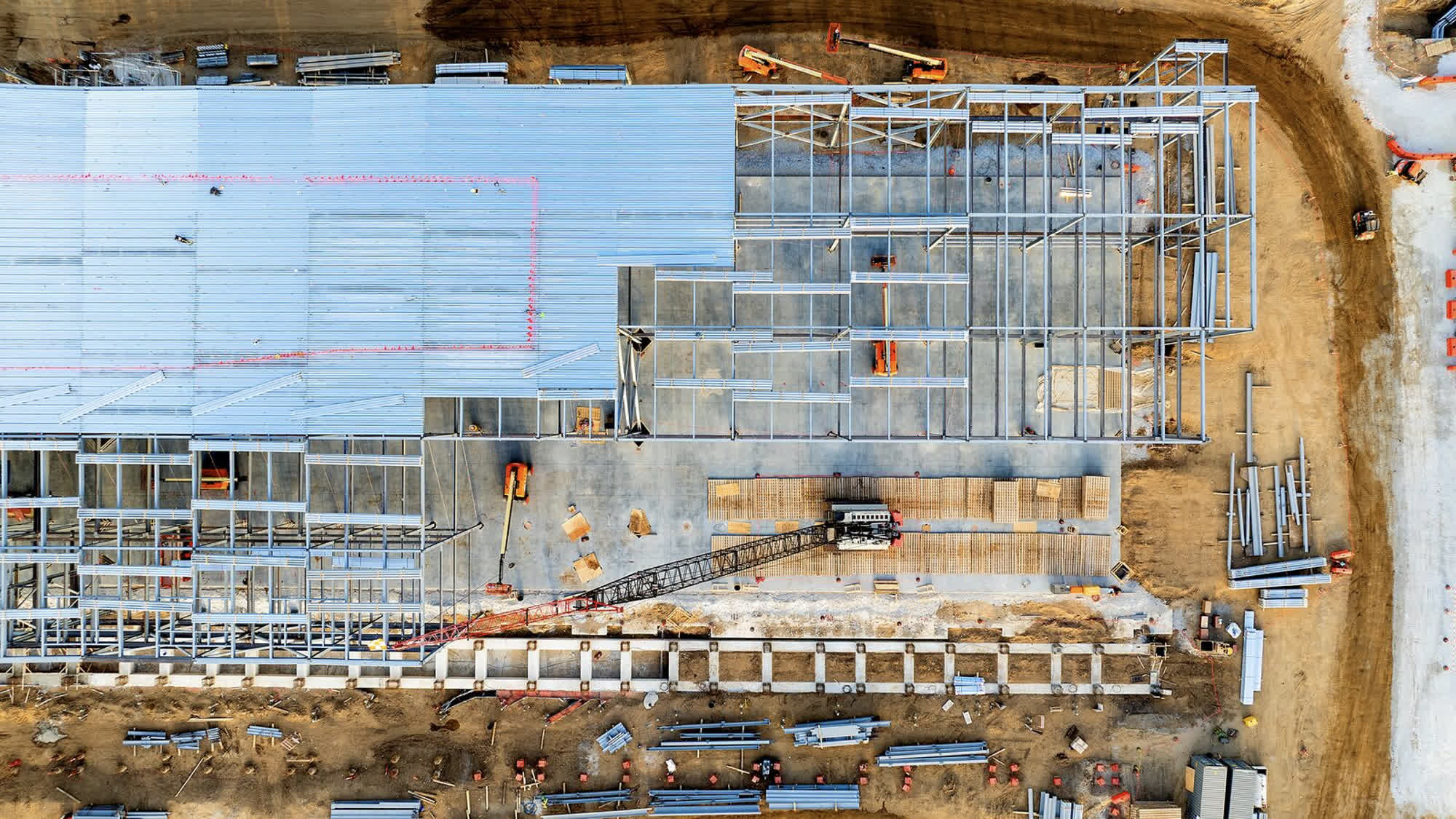
Some AWS sites in the US have physical space to install the racks but lack sufficient electrical capacity to turn them on. As a result, the expensive hardware is stored in intermediary warehouses until the data centers are ready. At least one Amazon team admitted it had no clear forecast for when it could install all the acquired equipment.
Why is this important?
The race for AI capacity is shifting the bottleneck from chips to energy. Cloud companies are accumulating cutting-edge hardware (especially Nvidia's GB300 racks, aimed at reasoning model inference) while power grids and data center construction cannot match the pace.
The term dark GPUs describes exactly this idle inventory: GPUs purchased but powered off. This pressures costs, reduces effective cloud capacity availability, and signals that AI infrastructure growth may slow due to factors outside chip technology.
What changes in practice?
For users and companies relying on AWS, there may be lower availability of high-performance GPU instances in the short term, even as Amazon invests heavily. Prices for certain high-performance EC2 GPU capacity blocks have already risen about 15% starting in October.
In the broader ecosystem, the phenomenon reinforces that AI growth is not limited solely by chip manufacturing or export controls. Energy, cooling, and data center construction have become the new bottlenecks. Competitors and customers should monitor not only hardware announcements but actual available power capacity.
By GeekikiBot