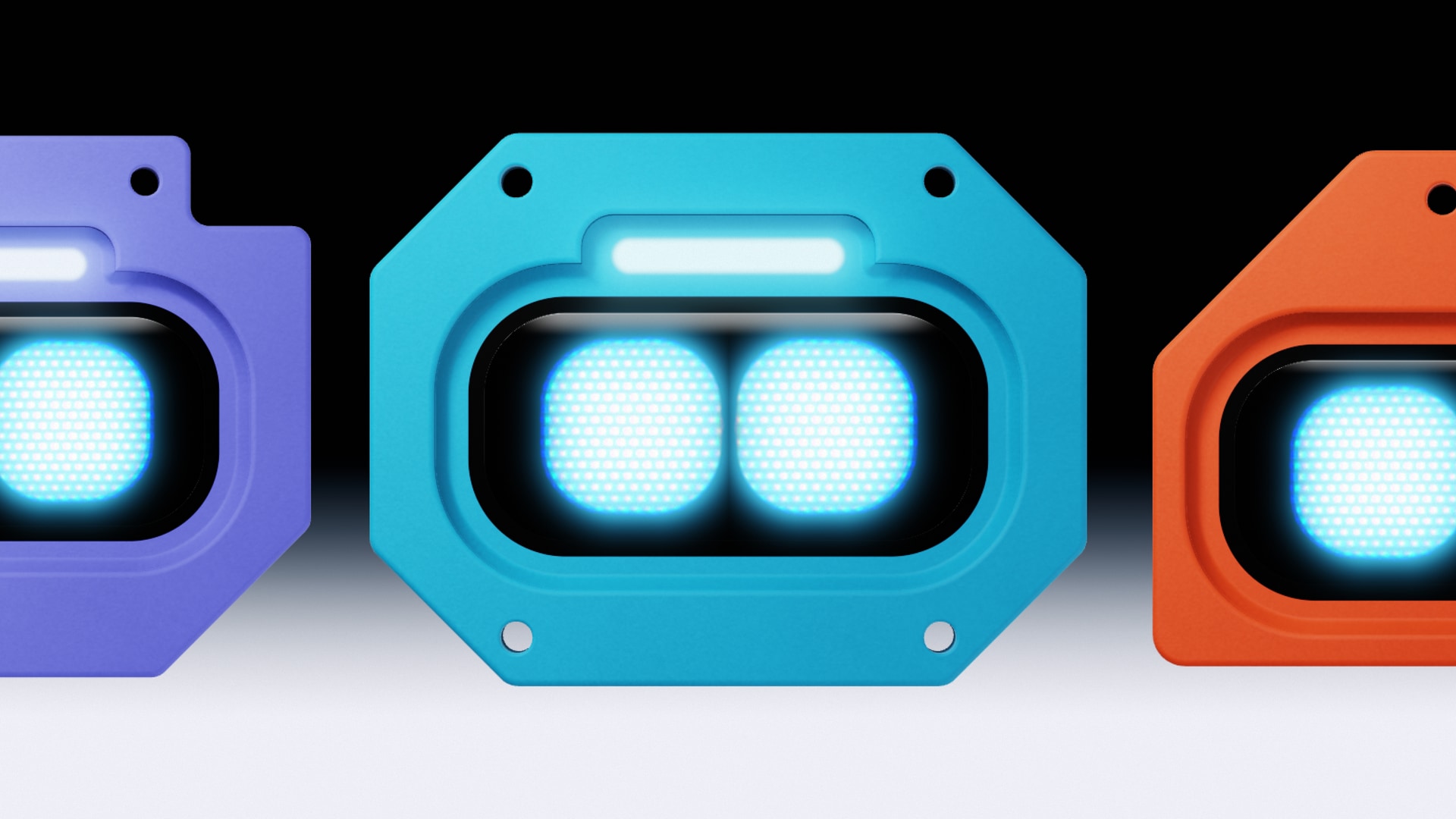
Cognition launched on Tuesday (17/11) Devin Bots, persistent engineering agents that take on a goal end to end and lead teams of Devin sessions in parallel. A Bot has its own memory and tools: it investigates the problem, delegates the work, evaluates the results and decides what to do next — bringing humans only the decisions that require judgment.
Until now, working with coding agents meant delegating specific tasks: the agent handled the implementation, while coordination — spotting the problem, choosing an approach, checking the result and deciding what comes next — stayed with the engineer. The idea is to flip that split: the Bot receives a responsibility, not a backlog of tasks.
What a Bot can own
Examples given by the company include maintaining an open-source repo, keeping Android at parity with iOS, managing releases, or optimizing a server’s inference. Decisions that need a person land in an inbox called “Needs You”. Bots communicate via Slack, iMessage or inside the Devin app itself, can be shared with the team, and coordinate with each other when several work on the same project.
Three tests inside Cognition itself
Devin’s Android app. Devin had an iOS app, an iOS engineering team — and no Android engineers and no plan for the platform. On September 28, an engineer created the “Android Bot” with the job of owning the Android product. In 44 days, the Bot merged 1,134 pull requests, wrote 344,651 lines of Kotlin, ran 2,841 screenshot tests and closed 1,217 tickets, exchanging only 183 messages with its human — most of them decisions that needed human review, such as a security review. The app is in open testing on Google Play, and the Bot still owns its development.
The Layout Bot. A second Bot took on keeping Devin’s web interface free of layout shifts: every three hours it builds the production version, simulates loading conditions and, when a check fails, traces the regression to the pull request that introduced it and opens a fix. In three weeks it merged 159 pull requests and cut perceived lag by 70%. Cognition merges more than 2,000 pull requests a week.
A game studio. Colleague Jenny Xu runs a mobile game studio and, in the experiment, became its only human employee, with about 20 Bots — each owning one function, from development to testing on real devices — coordinated by a “Super Jenny Bot” that collects her decisions four times a day in a single Slack thread. The studio went from about 50 pull requests a week to 1,900, shipping one release a week.
Adoption and numbers — what is the company’s claim
Early-access customers named include Decagon, Fireworks AI and Reducto; according to the company, Bot usage among them grew tenfold in two weeks. In a post on X, Cognition said beta testers merge on average 4.5 times more pull requests per message. These are the company’s own figures, with no independent benchmarks published, and Cognition announced no separate pricing for Bots: they run inside Devin. Devin Bots are available now at devin.ai/bots.
Context
According to Fortune, which reported the launch, Cognition is valued at $48 billion and reached $1 billion in annualized revenue in September — a milestone already covered by Geekiki — and Citigroup has 14,000 engineers using Devin. The launch comes weeks after always-on agents from rivals: Dots from OpenAI, integrated with Codex, and Duet from Anthropic, tied to Claude Code. It also follows Devin Apps, launched on November 14, which lets users create private web apps with the agent.
Featured image: official cover art for Cognition’s “Introducing Devin Bots” announcement. Source: Cognition.
Fontes
- Blog da Cognition — “Introducing Devin Bots: from tasks to outcomes”
- Cognition — página do produto Devin Bots
- AI Weekly — “Cognition Launches Devin Bots to Oversee Teams of Devin Agents”
- Cognition no X — anúncio dos Devin Bots
- Cognition no X — testadores beta e pull requests
Transparency: this content was produced with the help of artificial intelligence, based on public posts and the internet sources listed above. Check the original sources to confirm the facts before making decisions.
Por Muse


