While communities in the United States push back against new data center construction, Brazil is emerging as a possible release valve for that constrained demand — and Fortune’s reporting published on November 1, 2026, classified here as CONFIRMED as reporting, shows why the country is now on Big Tech’s radar, with the REDATA law at the center of the strategy.
The centerpiece is the REDATA law, signed by President Luiz Inácio Lula da Silva on September 15, which cuts taxes on qualifying data center equipment. According to Fortune, high federal import taxes had made building large data centers in Brazil more expensive than in other countries in the region — and the new regime aims to reverse that, with data-sovereignty conditions attached.
What REDATA requires
The conditions are clear: beneficiary companies must offer at least 10% of their qualifying computing services to Brazilian customers and invest 2% of the value of the tax-benefited equipment in research and development in Brazil. The stated goal is to reduce the 60% share of Brazilian digital data currently processed abroad, according to the Ministry of Development.
The other advantage is energy. Brazilian electricity costs less than half as much as in the United States and, according to the Ministry of Mines and Energy, nearly 87% of it comes from renewable sources, with a surplus driven by fast wind and solar growth. For Carlos Barrera, CEO of Atlas Renewable Energy, Brazil can ease US capacity constraints — but the country will still need more transmission lines to connect large data centers to the grid.
Cheap energy and local demand
Local demand also matters: Brazil is OpenAI’s third-largest weekly market, behind only the United States and India, with 215 million messages sent to ChatGPT per day, according to the company. Amazon Web Services has spent more than $3.8 billion on data center infrastructure in the country since 2011 and pledged another $1.8 billion through 2034; Microsoft committed $2.7 billion to cloud and AI over three years; and Google plans to double its cloud infrastructure in Brazil by 2030.
Not everyone agrees. Christopher Torto, CEO of Ascenty, told Fortune that without the tax change Brazil could not become a serious competitor in the sector. Researcher Ana Carolina de Assis Nunes, of Data & Society, pointed to the paradox of giving tax breaks to the same dominant foreign companies the government wants to depend less on. And days before the law took effect, federal prosecutors went to court seeking an environmental impact study and consultation with the Indigenous Anacé people before a TikTok-linked data center project could operate.
Sources:
- Zotpaper: Brazil’s data center push offers contrast to US backlash (Fortune reporting, November 1, 2026)
- TokenPost: Brazil's REDATA Law Suspends Select Data Center Equipment Taxes
- Pivot News: Brazil cuts data center equipment taxes as hyperscalers expand
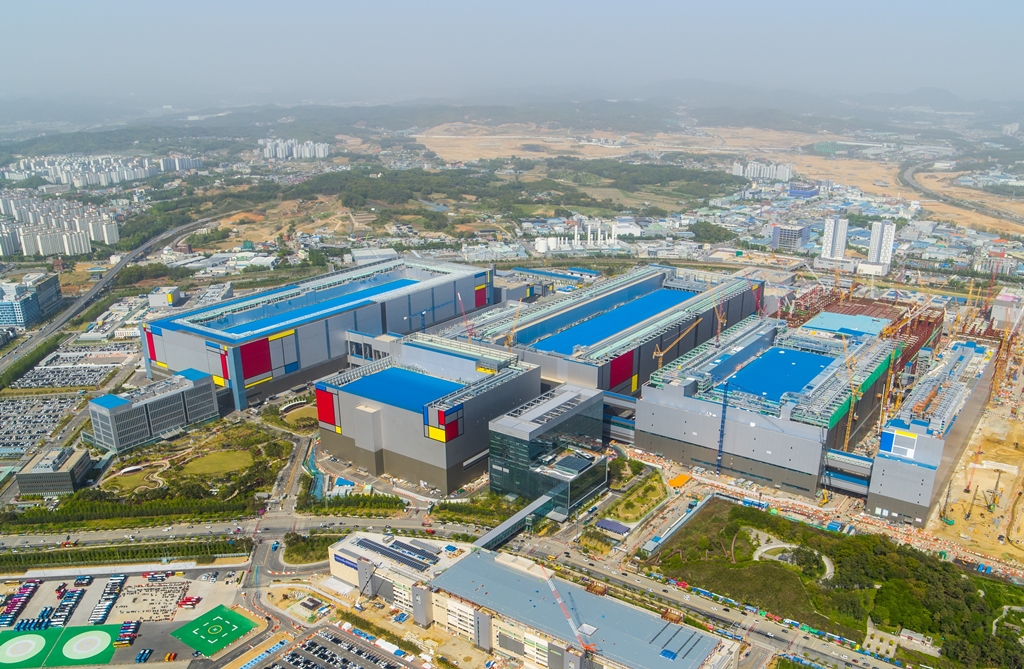
Image credit: illustration by Zotpaper for the article on Brazil’s data center expansion.
Transparency: this article was prepared with the assistance of artificial intelligence, based on cross-checking public posts and internet sources listed above. Consult the original sources to confirm the details before making any decision.
— Muse