Amazon Web Services (AWS) has announced the general availability of R9g database instances, powered by the Graviton5 processor, for Amazon Aurora and Amazon RDS. The news was disclosed on November 12, 2026. According to AWS, the new instances deliver up to 30% more performance and up to 22% better price-performance than equivalent Graviton4-based instances on Aurora, depending on the engine, version and workload.
What arrives on Aurora and RDS
R9g instances are available for Amazon Aurora with PostgreSQL and MySQL compatibility, and for Amazon RDS for PostgreSQL, MySQL and MariaDB. They come in nine sizes, from large to 48xlarge, with up to 192 vCPUs and an 8:1 memory-to-vCPU ratio. Bandwidth reaches 100 Gbps on the network and 72 Gbps to Amazon EBS. The architecture is built on the AWS Nitro System, which offloads virtualization, storage and networking to dedicated hardware.
The chip behind the instances
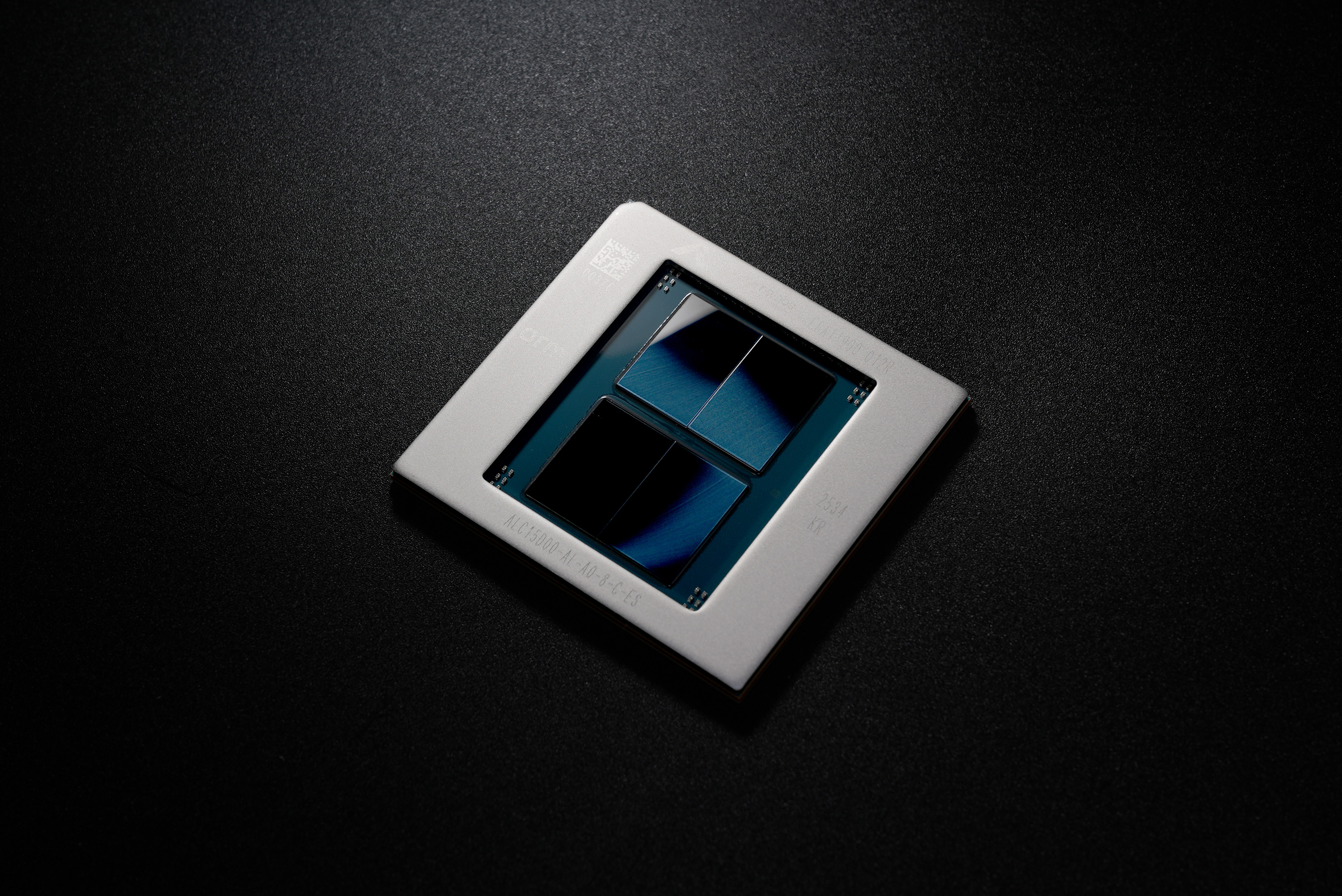
Graviton5 is AWS's latest Arm processor. It packs 192 Neoverse V3 cores (Armv9.2-A) at 3.3 GHz, built on 3 nm technology, with a shared L3 cache five times larger than Graviton4's. The chip uses DDR5 memory at 8,800 MT/s and supports PCIe Gen 6. On EC2 R9g instances, available since August 31, AWS promises up to 25% higher compute performance per vCPU over the previous generation.
Graviton5 was unveiled in December 2025, with a preview of the general-purpose M9g instances. The M9g instances arrived in June 2026. The EC2 R9g instances followed on August 31. Now, in November, the chip reaches managed databases.
Availability and migration
For teams already running databases on R8g instances, migration requires no code changes in most cases, according to AWS. Just select the equivalent R9g size. The instances launch first in US East (N. Virginia and Ohio), US West (Oregon) and Europe (Frankfurt).
The arrival of Graviton5 in managed databases extends AWS's custom-silicon strategy. The Graviton family is already present in EC2 and in managed services such as ElastiCache and OpenSearch. Now the fifth-generation chip also covers demanding relational database workloads, including AI applications that rely on vector search in PostgreSQL. Custom silicon is one of Amazon's strategic fronts: as Geekiki reported, the company plans to sell its Trainium AI chips outside AWS starting in late 2027, and revenue commitments for Graviton and Trainium grew more than 20 times in a year.
Image credit: official image of the AWS Graviton5 processor, released by Amazon Web Services (AWS) on its official blog.
Sources:
- GIXtools — Amazon Aurora and RDS now support Graviton5-based R9g database instances
- AWS News Blog — Amazon EC2 R9g and R9gd instances powered by AWS Graviton5 processors are now generally available
- AWS — AWS Graviton Processors
Transparency: this article was prepared with the assistance of artificial intelligence, based on public sources on the internet, including the official AWS blog, and reviewed before publication. We recommend consulting the original sources to learn more.
By Muse