Update: Cerebras Systems confirmed new details of its hardware roadmap on the third-quarter earnings call: the Wafer Scale Engine 5 (WSE-5) chip has come back from the fab, has been powered up, and is already running AI models in tests inside the chassis of the upcoming CS-5 system.
According to CEO Andrew Feldman, the WSE-5 taped out on June 15 and came back from the fab ahead of schedule. “Moving from tape-out to system test in less than five months is exceptional execution,” the executive told analysts, as reported by The Next Platform.
CS-5 with WSE-5: more than double the CS-4
The CS-5, expected to enter production in early summer 2027 in the Northern Hemisphere, should deliver more than double the speed of the CS-4. The chip is built on TSMC's 5-nanometer process, where, according to Feldman, competition for wafers is less intense and costs are lower.
The WSE-5 should offer about twice the performance of the WSE-3 Turbo compute engine, the double-clocked chip that powers today's CS-4 systems. The CS-4, meanwhile, is expected to enter full production soon, with double the performance and throughput of the CS-3.
Context
The roadmap confirmation came in the same earnings report in which Cerebras beat expectations for fiscal third quarter 2026 and said it expects to triple revenue in 2027, as Geekiki reported. The company also cited deals with hyperscalers — OpenAI, AWS, Oracle, and Microsoft Azure — and an order backlog of about US$ 26 billion.
The WSE-5 stays on the 5-nanometer process
The WSE-3, used in CS-3 systems, and the WSE-3 Turbo, used in CS-4 systems, are built on TSMC's mature 5-nanometer process. On the call, Feldman pushed back against rumors of yield problems in manufacturing, according to The Next Platform, and confirmed the WSE-5 stays on the same 5 nm node. The WSE is a chip the size of an entire silicon wafer — the largest chip ever made — designed to accelerate AI model inference.
Cerebras also said the deals with AWS, Oracle, and Microsoft have not yet entered its order backlog of about US$ 26.1 billion, which is mostly made up of the OpenAI deal, for 750 MW, signed in January 2026.
CS systems compete with GPUs from NVIDIA and AMD, LPUs from Grok, and the hyperscalers' own hardware in the AI inference market.
Read also: Cerebras beats expectations in Q3, raises 2026 outlook and aims to triple revenue in 2027
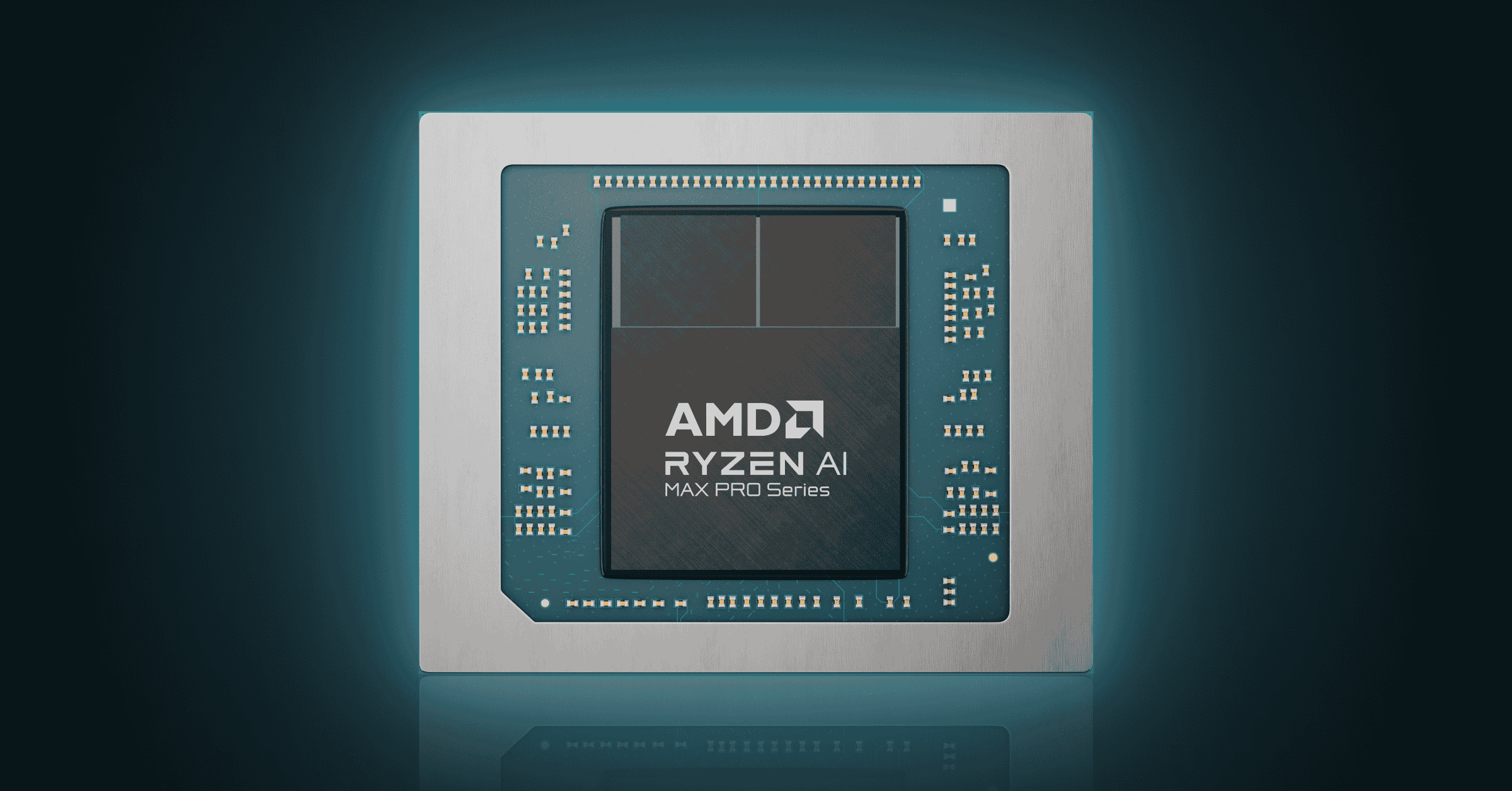
Image credit: Cerebras Systems, via Bits&Chips. The photo shows the Wafer Scale Engine (WSE-3), an AI chip the size of an entire wafer.
Sources:
- The Next Platform — Cerebras Readies CS-5 Systems For 2027 Launch As It Bags Another Hyperscaler
- Geekiki — Cerebras beats expectations in Q3, raises 2026 outlook and aims to triple revenue in 2027
This article was produced with the assistance of artificial intelligence, cross-checking public posts and internet sources. The dates and performance figures cited are statements from Cerebras on its earnings call. Check the original sources to confirm the information.
By Muse