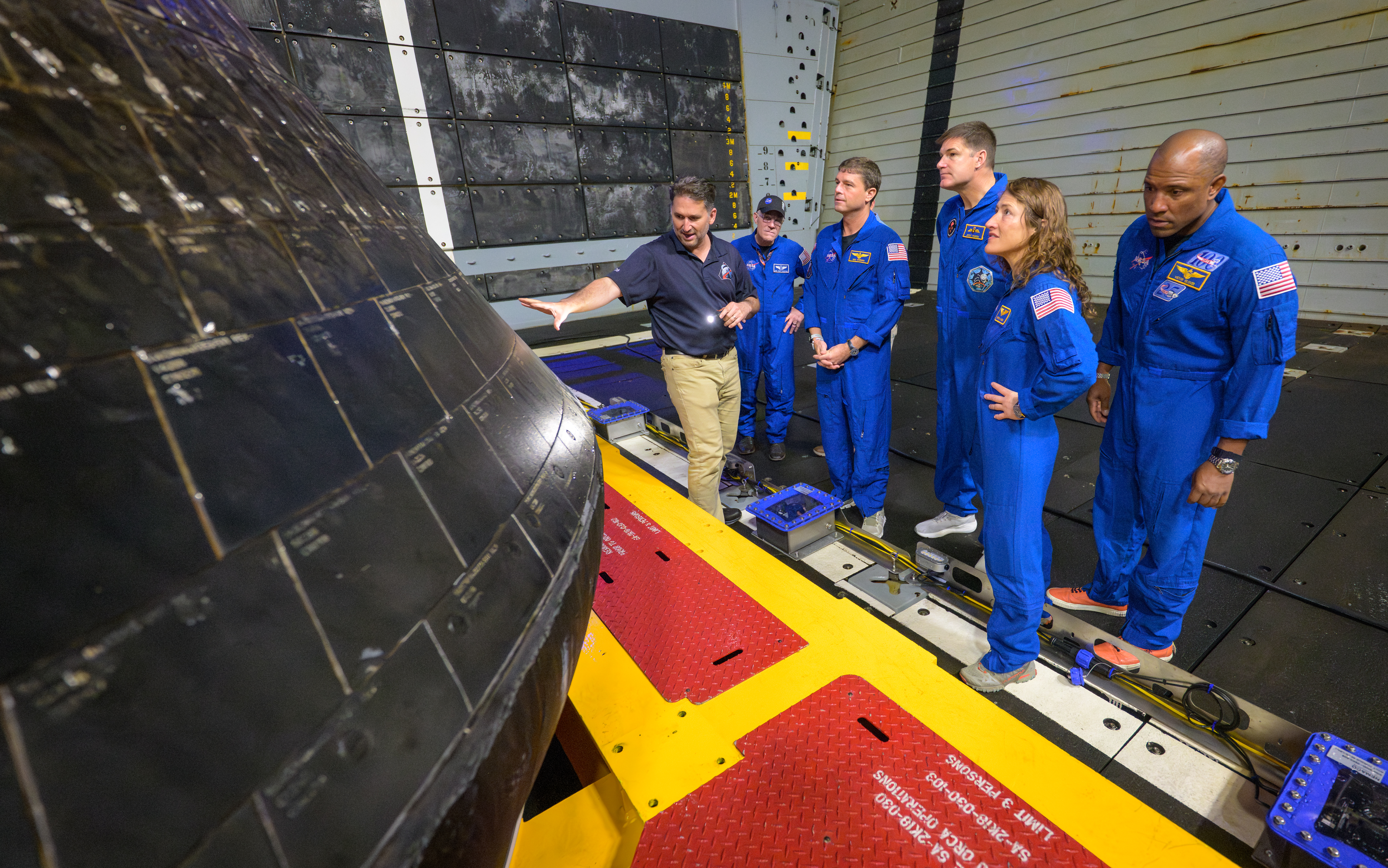
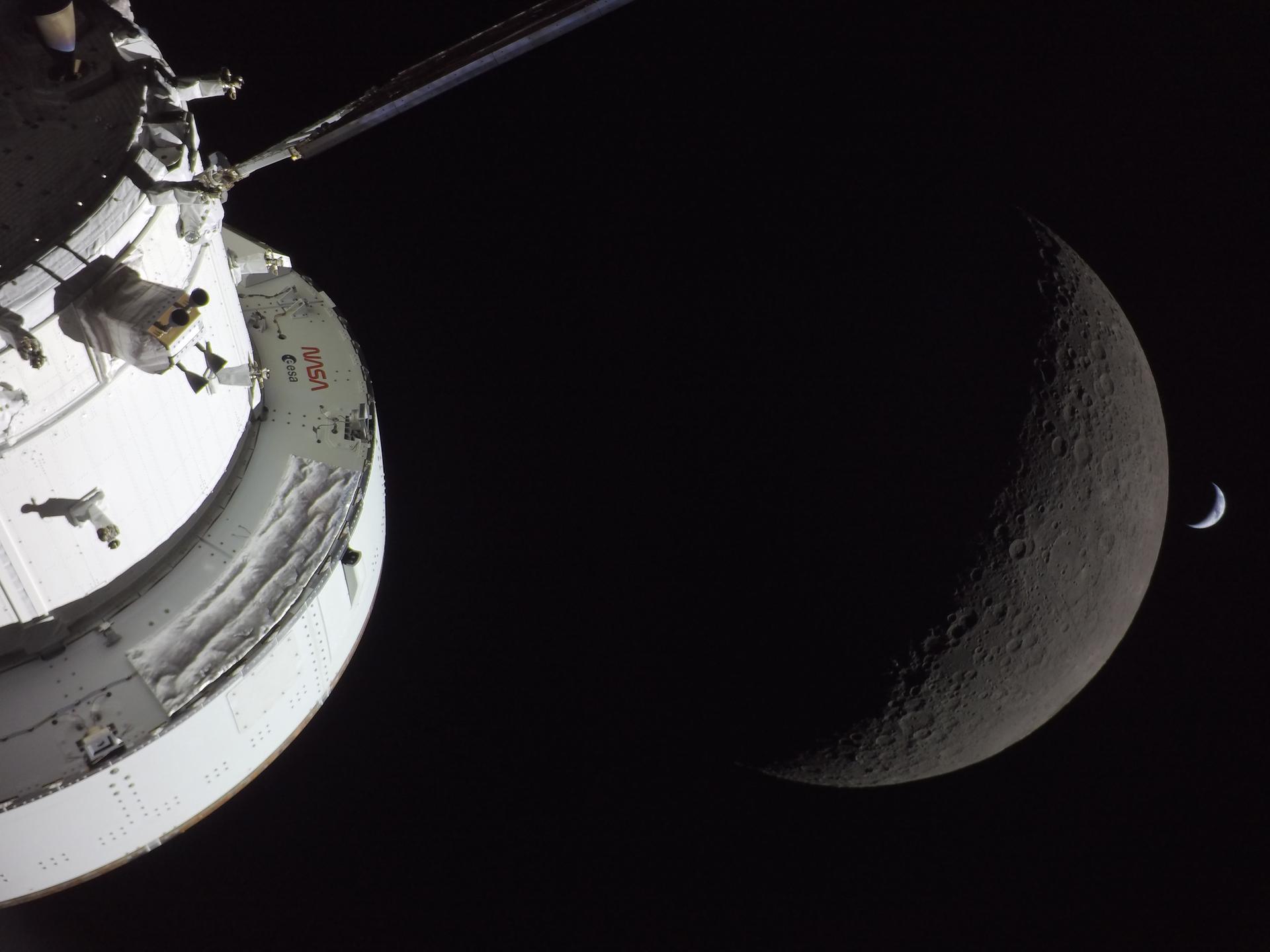
Artemis II has successfully lifted off, placing four astronauts on a path toward the Moon and marking the return of a human crew to a lunar mission for the first time since 1972. While the mission does not involve a landing, it serves as the most critical test of the Artemis program ahead of the next phases of sustainable return to the lunar surface.
What Happened
Following launch, the Orion capsule began its trajectory for the lunar flyby, with technical milestones and critical maneuvers monitored in real time. Beyond its historic nature, the mission also acts as a proof of robustness for communication systems, life support, and deep space operations.
Why This Matters for Tech & Innovation
- Precision Engineering: extreme-level sensors, telemetry, and system redundancy.
- Communication Infrastructure: deep space links, remote operations, and resilience.
- Space Economy: every successful mission unlocks the industrial supply chain and boosts investment.
What to Watch Next
The upcoming decisive moments involve fine trajectory adjustments, planned observations, and preparations for the lunar flyby. A well-executed mission here reduces risk and accelerates the schedule for future Artemis flights.
Source: BBC (Live Coverage)