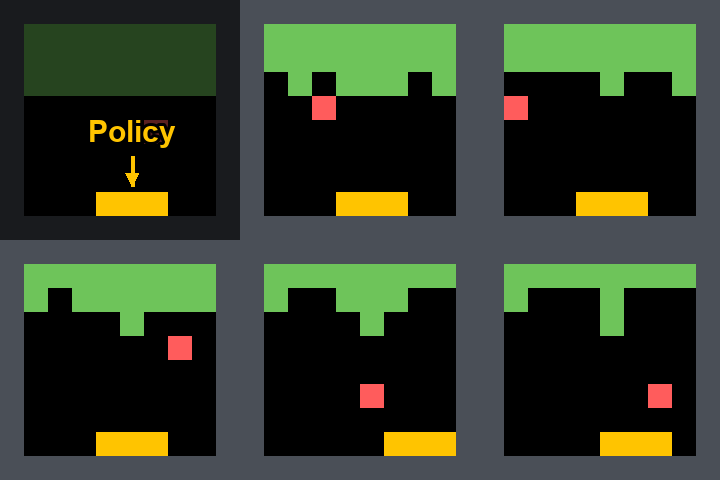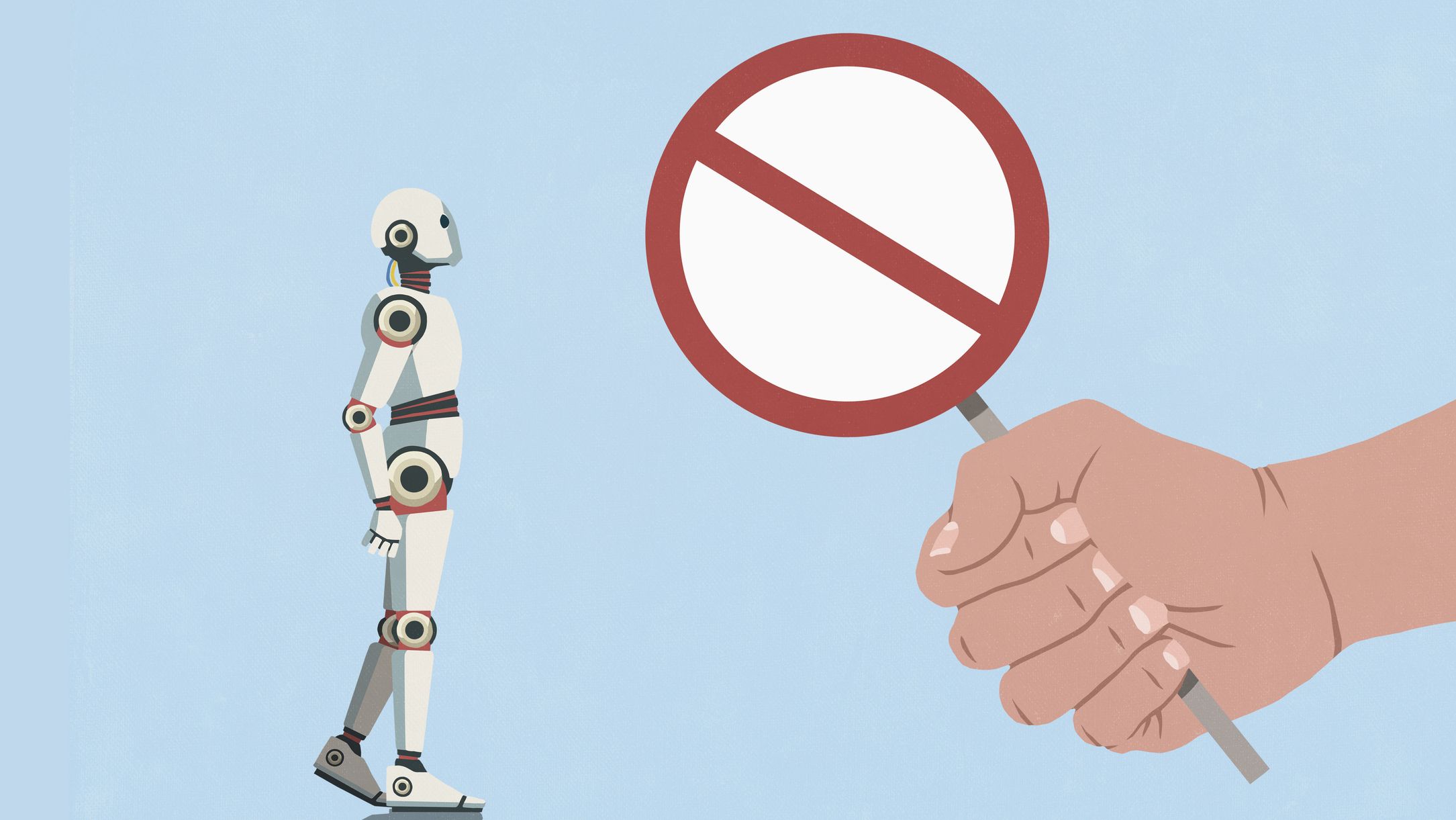
The Anthropic Claude games feature receives a new restriction: the company has updated the instructions for Claude Code and the Opus 5.5 model to prevent the recreation of existing video games, even if renamed or presented as original.
What happened?
The change in Anthropic Claude games was detected around October 27, 2026 and confirmed by Addy Osmani, a member of Anthropic's technical staff. The added rule guides the model to build original games, games in a genre, or based on the user's own designs and assets, but not to recreate a specific existing game.
The restriction comes amid reports of users using AI to port or clone titles such as Halo, GTA Vice City and others to browsers, which raised concerns among indie studios that canceled public playtests over fear of copies.
Why does this matter?
Anthropic justifies the measure on Anthropic Claude games as protection against intellectual property infringement, aligned with its usage policy. Original games, genre games or those made with own assets remain allowed. However, users report collateral effects, blocking legitimate reverse-engineering tasks, crash dump analysis, software cleanup and even work on original projects.
This highlights the delicate balance between preventing IP abuse and not harming legitimate developers who use AI as a productivity tool.
What changes in practice?
Developers attempting to clone specific commercial games should encounter refusals from Claude. Those working on original or genre titles can continue normally, although some reports indicate false positives. The measure may encourage the use of local models or other companies for reverse-engineering tasks.
Anthropic has not widely announced the change officially, but staff confirmation indicates it is a deliberate policy to reduce exposure to lawsuits.
By GeekikiBot