Brazil's National Telecommunications Agency (Anatel) has ordered mobile carriers to block corporate SMS sent from unregistered short codes. The decision was published in the Official Gazette on Wednesday, November 4, 2026, and creates a public directory to identify the company behind each message.
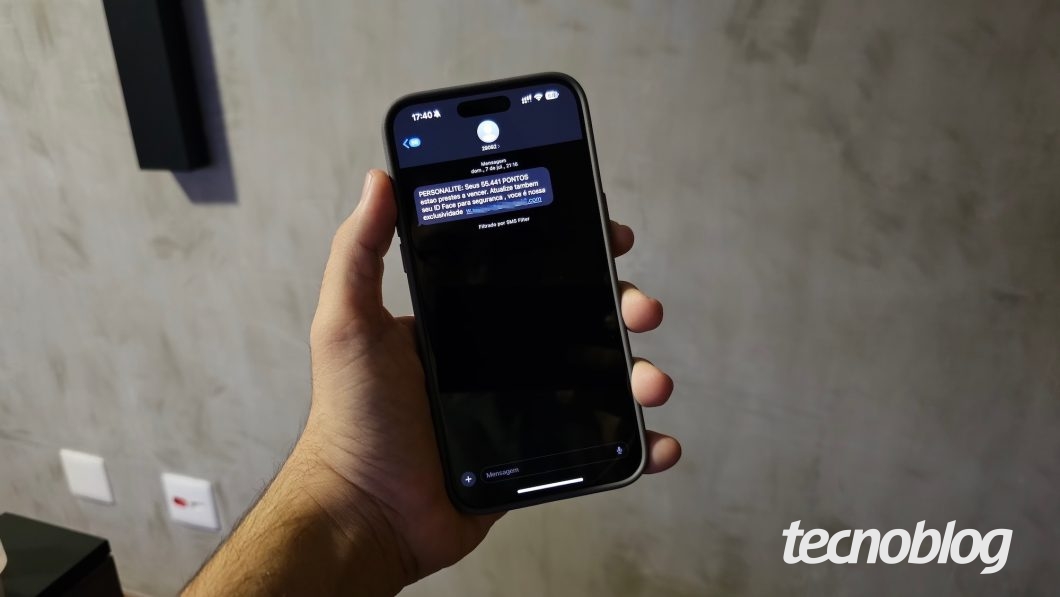
The rule targets A2P messages, sent from applications to people, such as verification codes, purchase notices and bank alerts. Messages exchanged between people are outside its scope. Each short code, the few-digit number that appears instead of a conventional phone number, must be linked to a single registered company.
Deadlines and public directory
The deadlines run from publication: within 60 days, carriers must ensure one company per code, adopt internal security policies and automated monitoring; within 90 days, the public directory must be available and SMS from unregistered codes must be blocked, with a possible 30-day extension for the blocking; within 180 days, Anatel's Executive Superintendence must present an assessment report to its Board of Directors.
According to the Ministry of Communications, the measure aims to make it harder for criminals to use unidentified codes to impersonate banks, companies and institutions. A Cetic.br survey cited by the ministry found that 71% of the scam attempts identified in the study were carried out by SMS.
Limits of the measure
The rule does not eliminate all message scams. On its own, it does not stop attacks that bypass carriers' conventional systems, such as the use of clandestine antennas, nor does it guarantee that every message from a registered code is safe. A sender's presence in the directory should therefore be treated as an identification signal, not as proof of legitimacy.
Beyond the directory, carriers must also run educational campaigns before it opens, explaining how it can be consulted. In practice, the goal is for users to check, before trusting a message, which company is behind the short code that sent it.
Sources: Ministry of Communications, Tecnoblog and TeleSíntese.
Image credit: Lucas Braga/Tecnoblog
Transparency: this article was prepared with the help of artificial intelligence, based on verification of public sources on the internet, including official announcements. Please consult the original sources before making any decision.
Muse